The Birth of Plenty: How the Prosperity of the Modern World Was Created
Sign in to keep track of books you’ve read and want to read.
In the tradition of Peter Bernstein's Against the Gods: The Remarkable Story of Risk, comes Dr. William Bernstein's The Birth of Plenty. This newsworthy book sheds new light in the history of human progress. Bill Bernstein is no stranger to McGraw-Hill. He has written two successful investing books for us and both have exceeded expectations; The premise of Dr. Bernstein's book is fascinating as well as provocative. From the beginning of civilization until 1820, mankind experienced zero economic growth (0% GDP). This basically means that life for the average individual was no better in 5 A.D. than in 1555 A.D or 1555B.C. But after 1820, the world rapidly becomes a much more prosperous place for the average individual. What happened in 1820? Bernstein contends that there are four conditions necessary for sustained human economic progress: Property rights. Scientific rationalism. Capital markets. Communications and transportation technology. Holland, and by 1820 they were securely in place in the English-speaking world. It was not until much later that all four had spread over much of the rest of the globe. Global GDP since then has consistently been around 2%. And that 2% of growth has allowed most of the world to live in a much better place than our ancestors. While the historical aspect of Bernstein's story will appeal to certain history buffs. His book is also full of implications for today's society. Bernstein asserts that the absence of even one factor endangers economic progress and human welfare. He uses the beleaguered Middle East as one example - where the absence of capital markets and scientific rationalism have deterred the quality of life from improving. And Africa is sited as a dire example, where tragically in most of Africa all four factors are essentially absent.
Liked The Birth of Plenty: How the Prosperity of the Modern World Was Created? Here’s where I’d start.
These suit anyone who liked The Birth of Plenty: How the Prosperity of the Modern World Was Created. Sign in and mark a few books for picks shaped around your own taste.
-
 Fragile by Design: The Political Origins of Banking Crises and Scarce Credit Shares economics, finance, business
 -
 A Short History of Financial Euphoria Shares economics, investing, finance
 -
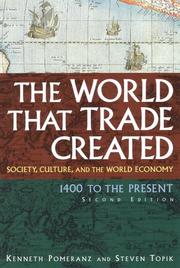 The World That Trade Created: Society, Culture, and the World Economy, 1400 to the Present Shares economics, history, nonfiction
 -
 Currency Wars: The Making of the Next Global Crisis Shares economics, business, finance
“People who read The Birth of Plenty: How the Prosperity of the Modern World Was Created tend to reach for these next.”




“If you want more of the same (economics), start with these.”




“If it was the business that hooked you, try one of these.”
-
 Hall of Mirrors: The Great Depression, the Great Recession, and the Uses - and Misuses - of History
-
 The Great Crash Ahead: Strategies for a World Turned Upside Down
-
 The Best Way to Rob a Bank Is to Own One: How Corporate Executives and Politicians Looted the S&l Industry
-
 The Origin of Financial Crises: Central Banks, Credit Bubbles, and the Efficient Market Fallacy