The New Rhetoric: A Treatise on Argumentation
Sign in to keep track of books you’ve read and want to read.
"It is difficult to see how any rhetorician, rhetorical critic, logician interested in verbal logic, or student of either philosophical or popular argument can claim full competence without familiarity with this work. It challenges the orthodoxies of all and suggests fresh modes of inquiry to all." —The Quarterly Journal of Speech
Liked The New Rhetoric: A Treatise on Argumentation? Here’s where I’d start.
These suit anyone who liked The New Rhetoric: A Treatise on Argumentation. Sign in and mark a few books for picks shaped around your own taste.
-
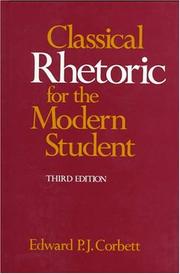 Classical Rhetoric for the Modern Student Shares rhetoric, philosophy, writing
 -
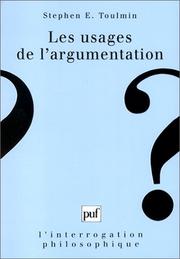 The Uses of Argument Shares rhetoric, philosophy, nonfiction
 -
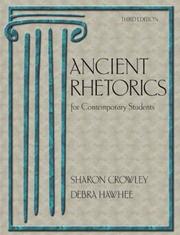 Ancient Rhetorics for Contemporary Students Shares rhetoric, philosophy, academic
 -
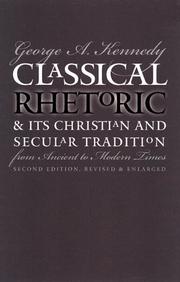 Classical Rhetoric and Its Christian and Secular Tradition from Ancient to Modern Times Shares rhetoric, philosophy, nonfiction