Cover of A New Philosophy of Society: Assemblage Theory and Social Complexity

A New Philosophy of Society: Assemblage Theory and Social Complexity

Manuel DeLanda is a distinguished writer, artist and philosopher. In his new book, he offers a fascinating look at how the contemporary world is characterized by an extraordinary social complexity. Since most social entities, from small communities to large nation-states, would disappear altogether if human minds ceased to exist, Delanda proposes a novel approach to social ontology that asserts the autonomy of social entities from the conceptions we have of them.

Subject
philosophysociologyliterary criticism
Themes
politics
Audience
adult
Length
short · 150 pages

Click a tag to see books like this one that share it.

Read it? Sign in to help tag it.

Liked A New Philosophy of Society: Assemblage Theory and Social Complexity? Here’s where I’d start.

These suit anyone who liked A New Philosophy of Society: Assemblage Theory and Social Complexity. Sign in and mark a few books for picks shaped around your own taste.

  1. The System of Objects Shares philosophy, theory, critical theory
  2. Just Gaming Shares philosophy, critical theory, theory
  3. Jean Baudrillard Shares philosophy, theory, sociology
  4. Reassembling the Social: An Introduction to Actor-Network-Theory Shares philosophy, theory, sociology

“People who read A New Philosophy of Society: Assemblage Theory and Social Complexity tend to reach for these next.”

  1. Towards Speculative Realism: Essays and Lectures
  2. The Speculative Turn: Continental Materialism and Realism
  3. Vibrant Matter: A Political Ecology of Things
  4. Pure Immanence: Essays on a Life

“If you want more of the same (philosophy about politics), start with these.”

  1. The Struggle for Recognition: The Moral Grammar of Social Conflicts
  2. Ideology and Ideological State Apparatuses
  3. Symbolic Exchange and Death
  4. Screened Out

“If it was the theory that hooked you, try one of these.”

  1. Dialectic of Enlightenment: Philosophical Fragments
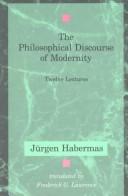
  2. The Philosophical Discourse of Modernity: Twelve Lectures
  3. Simulacra and Simulation
  4. Being Singular Plural

“These start from a similar idea, even if they go somewhere else with it.”

  1. The Democracy of Objects
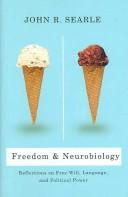
  2. Freedom and Neurobiology: Reflections on Free Will, Language, and Political Power
  3. Ethics Without Ontology
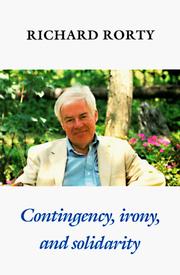
  4. Contingency, Irony, and Solidarity