Expectations of Modernity: Myths and Meanings of Urban Life on the Zambian Copperbelt
Sign in to keep track of books you’ve read and want to read.
Once lauded as the wave of the African future, Zambia's economic boom in the 1960s and early 1970s was fueled by the export of copper and other primary materials. Since the mid-1970s, however, the urban economy has rapidly deteriorated, leaving workers scrambling to get by. Expectations of Modernityexplores the social and cultural responses to this prolonged period of sharp economic decline. Focusing on the experiences of mineworkers in the Copperbelt region, James Ferguson traces the failure of standard narratives of urbanization and social change to make sense of the Copperbelt's recent history. He instead develops alternative analytic tools appropriate for an "ethnography of decline."
Read more
Ferguson shows how the Zambian copper workers understand their own experience of social, cultural, and economic "advance" and "decline." Ferguson's ethnographic study transports us into their lives—the dynamics of their relations with family and friends, as well as copper companies and government agencies.
Theoretically sophisticated and vividly written, Expectations of Modernitywill appeal not only to those interested in Africa today, but to anyone contemplating the illusory successes of today's globalizing economy.
Liked Expectations of Modernity: Myths and Meanings of Urban Life on the Zambian Copperbelt? Here’s where I’d start.
These suit anyone who liked Expectations of Modernity: Myths and Meanings of Urban Life on the Zambian Copperbelt. Sign in and mark a few books for picks shaped around your own taste.
-
 Hustling Is Not Stealing: Stories of an African Bar Girl Shares Africa, anthropology, ethnography
 -
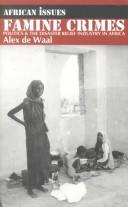 Famine Crimes: Politics and the Disaster Relief Industry in Africa Shares Africa, development, politics
 -
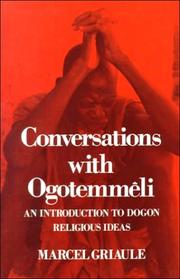 Conversations with Ogotemmêli: An Introduction to Dogon Religious Ideas Shares Africa, anthropology, nonfiction
 -
 Black Livingstone: A True Tale of Adventure in the Nineteenth-Century Congo Shares Africa, african studies, nonfiction