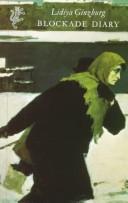
Cover of Blockade Diary

Blockade Diary

The 900-day siege of Leningrad was one the turning points of the Second World War. It slowed down the German advance into Russia and became a national symbol of survival and resistance. From her own experience of the blockade and using facts, conversations, and impressions collected over many years, Lidiya Ginzburg has created a remarkable everyman hero in whom she distils the collective experience of life under siege. Though the author may depict, often painfully, the hunger and harrowing conditions of that period, the reader takes away a different impression—the dignity, vitality, and intellectual resilience of the thinking mind as it records and makes sense of extreme experience.

Audience
adult
Length
short · 114 pages

Click a tag to see books like this one that share it.

Read it? Sign in to help tag it.

Liked Blockade Diary? Here’s where I’d start.

These suit anyone who liked Blockade Diary. Sign in and mark a few books for picks shaped around your own taste.
  1. The Ghost of the Executed Engineer: Technology and the Fall of the Soviet Union Shares Russia, russian, soviet
  2. Letter to the Soviet Leaders Shares Russia, russian, history
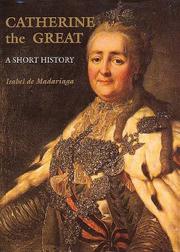
  3. Catherine the Great: A Short History Shares Russia, history, russian
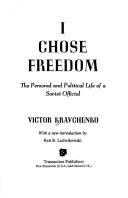
  4. I Chose Freedom Shares Russia, russian, biography

“If you want more of the same (history), start with these.”

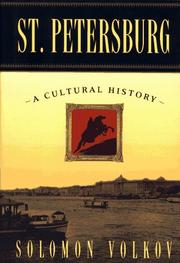
  1. St. Petersburg: A Cultural History
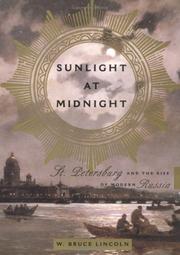
  2. Sunlight at Midnight: St. Petersburg and the Rise of Modern Russia
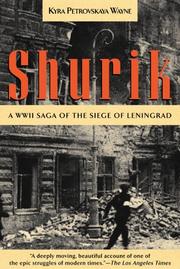
  3. Shurik: A Story of the Siege of Leningrad
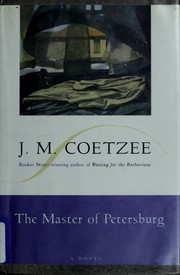
  4. The Master of Petersburg

“If it was the Russia that hooked you, try one of these.”

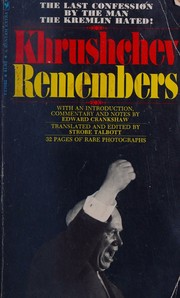
  1. Khrushchev Remembers
  2. The Russians
  3. The Magical Chorus: A History of Russian Culture from Tolstoy to Solzhenitsyn
  4. Peter the Great: A Biography

“These start from a similar idea, even if they go somewhere else with it.”

  1. Alamo in the Ardennes: The Untold Story of the American Soldiers Who Made the Defense of Bastogne Possible
  2. Gaza Writes Back
  3. The Soldiers' Story: Vietnam in Their Own Words
  4. Journals: Early Fifties, Early Sixties