How We Survived Communism and Even Laughed
Sign in to keep track of books you’ve read and want to read.
Hailed by feminists and scholars as one of the most important contributions to women's studies in recent decades, Slavenka Drakulic's gripping, beautifully written account—newly reissued in paperback—describes the daily struggles of women under the Marxist regime in the former republic of Yugoslavia.
Read more
In this provocative, acutely observed essay collection, renowned journalist, novelist, and non-fiction writer Slavenka Drakulic writes with wit and heart about her experiences under communism—as well as those of other Eastern Europeans, primarily women, who lived and suffered behind the Iron Curtain. A portrayal of the reality behind the rhetoric, her essays also chronicle the consequences of these regimes: The Berlin Wall may have fallen, but ideology cannot be dismantled so quickly, and a lifetime lived in fear cannot be so easily forgotten.
Many of the pieces focus on the intense connection Drakulic discovers between material things and the expression of one's spirit, individuality, and femininity—an inevitable byproduct of a lifestyle that, through its rejection of capitalism and commoditization, ends up fetishizing both. She describes the moment one man was able, for the first time in his life, to eat a banana: He gobbled it down, skin and all, enthralled by its texture. Drakulic herself marvels at finding fresh strawberries in N.Y.C. in December, and the feel of the quality of the paper in an issue of Vogue.
As Drakulic delves into the particular hardships facing women—who are not merely the victims of sexism, but of regimes that prevent them from having even the most basic material means by which to express themselves—she describes the desperate lengths to which they would go to find cosmetics or clothes that made them feel feminine in a society where such a feeling was regarded as a bourgeois affectation. There is little room for privacy in communal housing, and the banishment of many time-saving devices, combined with a focus on manual labor, meant women were slaves to domestic responsibility in a way that their Western peers would find unfathomable. From this vantage point, she provides a pointed critique of Western feminism as a movement borne out of privilege.
How We Survived Communism and Even Laughedis a compelling, brilliant account of what it was really like to live under Communist rule and its inevitable repercussions.
Liked How We Survived Communism and Even Laughed? Here’s where I’d start.
These suit anyone who liked How We Survived Communism and Even Laughed. Sign in and mark a few books for picks shaped around your own taste.
-
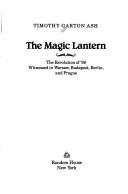 The Magic Lantern: The Revolution of '89 Witnessed in Warsaw, Budapest, Berlin and Prague Shares nonfiction, history, Eastern Europe
 -
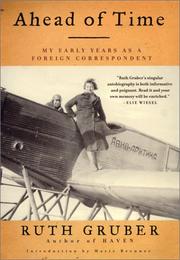 Ahead of Time: My Early Years as a Foreign Correspondent Shares nonfiction, memoir, feminism
 -
 Borges in 90 Minutes Shares nonfiction, memoir, history
 -
 Women Crime Writers: Four Suspense Novels of the 1940s: Laura / The Horizontal Man / In a Lonely Place / The Blank Wall Shares women