Explaining Creativity: The Science of Human Innovation
Sign in to keep track of books you’ve read and want to read.
Explaining Creativity is an accessible introduction to the latest scientific research on creativity. In the last 50 yearss, psychologists, anthropologists, and sociologists have increasingly studied creativity, and we now know more about creativity that at any point in history. Explaining Creativity considers not only arts like painting and writing, but also science, stage performance, and business innovation. Until about a decade ago, creativity researchers tended to focus on highly valued activities like fine art painting and Nobel prize winning science. Sawyer brings this research up to date by including movies, music videos, cartoons, videogames, hypertext fiction, and computer technology. For example, this is the first book on creativity to include studies of performance and improvisation. Sawyer draws on the latest research findings to show the importance of collaboration and context in all of these creative activities.
Read more
Today's science of creativity is interdisciplinary; in addition to psychological studies of creativity, Explaining Creativity includes research by anthropologists on creativity in non-Western cultures, and research by sociologists about the situations, contexts, and networks of creative activity. Explaining Creativity brings these approaches together within the sociocultural approach to creativity pioneered by Howard Becker, Mihaly Csikszentmihalyi and Howard Gardner. The sociocultural approach moves beyond the individual to consider the social and cultural contexts of creativity, emphasizing the role of collaboration and context in the creative process.
Liked Explaining Creativity: The Science of Human Innovation? Here’s where I’d start.
These suit anyone who liked Explaining Creativity: The Science of Human Innovation. Sign in and mark a few books for picks shaped around your own taste.
-
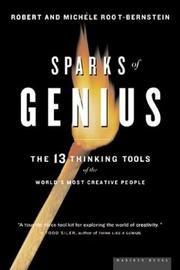 Sparks of Genius: The Thirteen Thinking Tools of the World's Most Creative People Shares creativity, psychology, innovation
 -
 Creative Thinkering: Putting Your Imagination to Work Shares creativity, psychology, nonfiction
 -
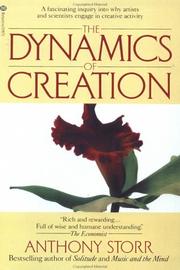 The Dynamics of Creation Shares creativity, psychology, nonfiction
 -
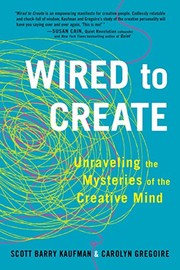 Wired to Create: Unraveling the Mysteries of the Creative Mind Shares creativity, psychology, nonfiction