
The Status Syndrome: How Social Standing Affects Our Health and Longevity
Sign in to keep track of books you’ve read and want to read.
"Bold, important and masterful . . . Marmot's message is not just timely, it's urgent."
-The Washington Post Book World
Read more
You probably didn't realize that when you graduate from college you increase your lifespan, or that your co-worker who has a slightly better job is more likely to live a healthier life. In this groundbreaking book, epidemiologist Michael Marmot marshals evidence from nearly thirty years of research to demonstrate that status is not a footnote to the causes of ill health-it is the cause. He calls this effect the status syndrome.
The status syndrome is pervasive. It determines the chances that you will succumb to heart disease, stroke, cancers, infectious diseases, even suicide and homicide. And the issue, as Marmot shows, is not simply one of income or lifestyle. It is the psychological experience of inequality-how much control you have over your life and the opportunities you have for full social participation-that has a profound effect on your health.
The Status Syndromewill utterly change the way we think about health, society, and how we live our lives.
Liked The Status Syndrome: How Social Standing Affects Our Health and Longevity? Here’s where I’d start.
These suit anyone who liked The Status Syndrome: How Social Standing Affects Our Health and Longevity. Sign in and mark a few books for picks shaped around your own taste.
-
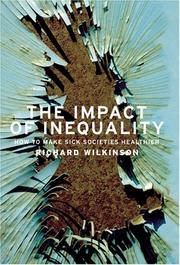 The Impact of Inequality: How to Make Sick Societies Healthier Shares sociology, public health, nonfiction
 -
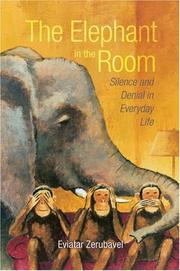 The Elephant in the Room: Silence and Denial in Everyday Life Shares sociology, nonfiction, psychology
 -
 Social Mindscapes: An Invitation to Cognitive Sociology Shares sociology, nonfiction, psychology
 -
 Explaining Social Behavior: More Nuts and Bolts for the Social Sciences Shares sociology, nonfiction, psychology
“People who read The Status Syndrome: How Social Standing Affects Our Health and Longevity tend to reach for these next.”



“If you want more of the same (sociology), start with these.”

“If it was the psychology that hooked you, try one of these.”


“These start from a similar idea, even if they go somewhere else with it.”
-
 The Broken Ladder: How Inequality Affects the Way We Think, Live, and Die
-
 Disease-Proof: The Remarkable Truth About What Makes Us Well
-
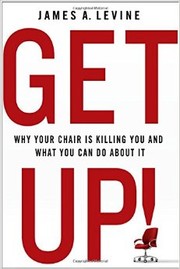 Get Up!: The Dire Health Consequences of Sitting and What We Can Do About It
-
 Life Is Your Best Medicine: A Woman's Guide to Health, Healing, and Wholeness at Every Age