Bush in Babylon: The Recolonization of Iraq
Sign in to keep track of books you’ve read and want to read.
The assault and capture of Iraq—and the resistance it has provoked—will shape the politics of the twenty-first century. In this passionate and provocative book, Tariq Ali provides a history of Iraqi resistance against empires old and new, and argues against the view that sees imperialist occupation as the only viable solution to bring about regime-change in corrupt and dictatorial states. Like the author's previous work, The Clash of Fundamentalisms, this book presents a magnificent cultural history.
Read more
Detailing the longstanding imperial ambitions of key figures in the Bush administration and how war profiteers close to Bush are cashing in, Bush in Babylonis unique in moving beyond the corporate looting by the US military government to offer the reader an expert and in-depth analysis of the extent of resistance to the US occupation in Iraq.
On 15 February 2003, eight million people marched on the streets of five continents against a war that had not yet begun. A historically unprecedented number of people rejected official justifications for war that the secular Ba'ath Party of Iraq was connected to al-Qaeda or that "weapons of mass destruction" existed in the region, outside of Israel.
More people than ever are convinced that the greatest threat to peace comes from the center of the American empire and its satrapies, with Blair and Sharon as lieutenants to the Commander-in-Chief. Examining how countries from Japan to France eventually rushed to support US aims, as well as the futile UN resistance, Tariq Ali proposes a re-founding of Mark Twain's mammoth American Anti-Imperialist League (which included William James, W.E.B. DuBois, William Dean Howells, and John Dewey) to carry forward the antiwar movement. Meanwhile, as Iraqis show unexpected hostility and independence, rather than gratitude, for "liberation," Ali is unique is uncovering the depth of the resistance now occurring inside occupied Iraq.
Liked Bush in Babylon: The Recolonization of Iraq? Here’s where I’d start.
These suit anyone who liked Bush in Babylon: The Recolonization of Iraq. Sign in and mark a few books for picks shaped around your own taste.
-
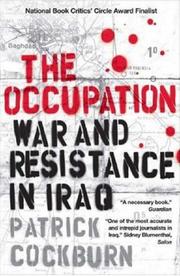 The Occupation: War and Resistance in Iraq Shares Iraq, politics, Middle East
 -
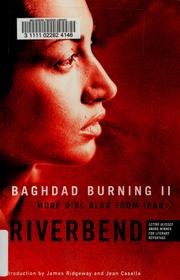 Baghdad Burning II: More Girl Blog from Iraq Shares Middle East, nonfiction, Iraq
 -
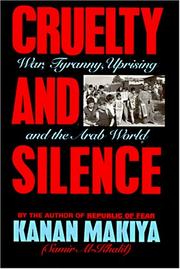 Cruelty and Silence: War, Tyranny, Uprising, and the Arab World Shares Middle East, politics, Iraq
 -
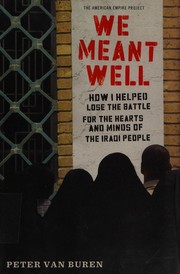 We Meant Well: How I Helped Lose the Battle for the Hearts and Minds of the Iraqi People Shares Middle East, nonfiction, Iraq