Social Theory of International Politics
Sign in to keep track of books you’ve read and want to read.
Drawing on philosophy and social theory, Social Theory of International Politics develops a cultural theory of international politics that contrasts with the realist mainstream. Wendt argues that states can view each other as enemies, rivals, or friends. He characterizes these roles as "cultures of anarchy," which are shared ideas that help shape states' interests and capabilities. These cultures can change over time as ideas change. Wendt thus argues that the nature of international politics is not fixed, and that the international system is not condemned to conflict and war.
Liked Social Theory of International Politics? Here’s where I’d start.
These suit anyone who liked Social Theory of International Politics. Sign in and mark a few books for picks shaped around your own taste.
-
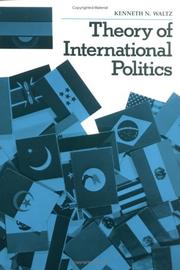 Theory of International Politics Shares international relations, ir, saass
 -
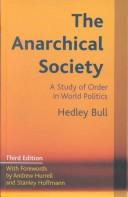 The Anarchical Society: A Study of Order in World Politics Shares international relations, saass, ir
 -
 Perception and Misperception in International Politics Shares international relations, ir, saass
 -
 The Twenty Years' Crisis, 1919-1939 Shares international relations, ir, saass