
Moral Origins: The Evolution of Virtue, Altruism, and Shame
Sign in to keep track of books you’ve read and want to read.
From the age of Darwin to the present day, biologists have been grappling with the origins of our moral sense. Why, if the human instinct to survive and reproduce is "selfish," do people engage in self-sacrifice, and even develop ideas like virtue and shame to justify that altruism? Many theories have been put forth, some emphasizing the role of nepotism, others emphasizing the advantages of reciprocation or group selection effects. But evolutionary anthropologist Christopher Boehm finds existing explanations lacking, and in Moral Origins, he offers an elegant new theory.Tracing the development of altruism and group social control over 6 million years, Boehm argues that our moral sense is a sophisticated defense mechanism that enables individuals to survive and thrive in groups. One of the biggest risks of group living is the possibility of being punished for our misdeeds by those around us. Bullies, thieves, free-riders, and especially psychopaths—those who make it difficult for others to go about their lives—are the most likely to suffer this fate. Getting by requires getting along, and this social type of selection, Boehm shows, singles out altruists for survival. This selection pressure has been unique in shaping human nature, and it bred the first stirrings of conscience in the human species. Ultimately, it led to the fully developed sense of virtue and shame that we know today.A groundbreaking exploration of the evolution of human generosity and cooperation, Moral Originsoffers profound insight into humanity's moral past—and how it might shape our moral future.
Liked Moral Origins: The Evolution of Virtue, Altruism, and Shame? Here’s where I’d start.
These suit anyone who liked Moral Origins: The Evolution of Virtue, Altruism, and Shame. Sign in and mark a few books for picks shaped around your own taste.
-
 Primates and Philosophers: How Morality Evolved Shares philosophy, science, evolution
 -
 The Origins of Virtue: Human Instincts and the Evolution of Cooperation Shares science, evolution, nonfiction
 -
 Homo Mysterious: Evolutionary Puzzles of Human Nature Shares science, evolution, nonfiction
 -
 The Moral Animal: Why We Are the Way We Are: The New Science of Evolutionary Psychology Shares science, psychology, nonfiction
“People who read Moral Origins: The Evolution of Virtue, Altruism, and Shame tend to reach for these next.”




“If you want more of the same (science about morality), start with these.”




“If it was the psychology that hooked you, try one of these.”
-
 Games Primates Play: An Undercover Investigation of the Evolution and Economics of Human Relationships
-
 Global Brain: The Evolution of the Mass Mind from the Big Bang to the 21st Century
-
 Natural Selections: Selfish Altruists, Honest Liars, and Other Realities of Evolution
-
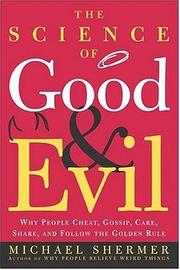 The Science of Good and Evil: Why People Cheat, Gossip, Care, Share, and Follow the Golden Rule