The New New Deal: The Hidden Story of Change in the Obama Era
Sign in to keep track of books you’ve read and want to read.
The New, New Dealis a riveting story about change in the Obama era—and an essential handbook for voters who want the truth about the president, his record, and his enemies.
In a riveting account based on new documents and interviews with more than 400 sources on both sides of the aisle, award-winning reporter Michael Grunwald reveals the vivid story behind President Obama's $800 billion stimulus bill, one of the most important and least understood pieces of legislation in the history of the country. Grunwald's meticulous reporting shows how the stimulus, though reviled on the right and the left, helped prevent a depression while jump-starting the president's agenda for lasting change. As ambitious and far-reaching as FDR's New Deal, the Recovery Act is a down payment on the nation's economic and environmental future, the purest distillation of change in the Obama era.
Read more
The stimulus has launched a transition to a clean-energy economy, doubled our renewable power, and financed unprecedented investments in energy efficiency, a smarter grid, electric cars, advanced biofuels, and green manufacturing. It is computerizing America's pen-and-paper medical system. Its Race to the Top is the boldest education reform in U.S. history. It has put in place the biggest middle-class tax cuts in a generation, the largest research investments ever, and the most extensive infrastructure investments since Eisenhower's interstate highway system. It includes the largest expansion of antipoverty programs since the Great Society, lifting millions of Americans above the poverty line, reducing homelessness, and modernizing unemployment insurance. Like the first New Deal, Obama's stimulus has created legacies that last: the world's largest wind and solar projects, a new battery industry, a fledgling high-speed rail network, and the world's highest-speed Internet network.
Michael Grunwald goes behind the scenes—sitting in on cabinet meetings, as well as recounting the secret strategy sessions where Republicans devised their resistance to Obama—to show how the stimulus was born, how it fueled a resurgence on the right, and how it is changing America. The New New Deal shatters the conventional Washington narrative and it will redefine the way Obama's first term is perceived.
Liked The New New Deal: The Hidden Story of Change in the Obama Era? Here’s where I’d start.
These suit anyone who liked The New New Deal: The Hidden Story of Change in the Obama Era. Sign in and mark a few books for picks shaped around your own taste.
-
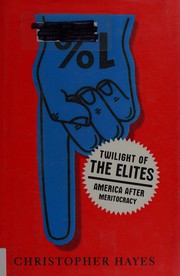 Twilight of the Elites: America After Meritocracy Shares politics, nonfiction, economics
 -
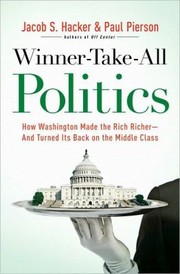 Winner-Take-All Politics: How Washington Made the Rich Richer--and Turned Its Back on the Middle Class Shares politics, economics, nonfiction
 -
 Pity the Billionaire: The Hard-Times Swindle and the Unlikely Comeback of the Right Shares politics, nonfiction, economics
 -
Showdown: The Inside Story of How Obama Fought Back Against Boehner, Cantor, and the Tea Party Shares politics, nonfiction, political
“People who read The New New Deal: The Hidden Story of Change in the Obama Era tend to reach for these next.”

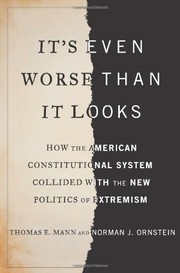


“If you want more of the same (politics), start with these.”
-
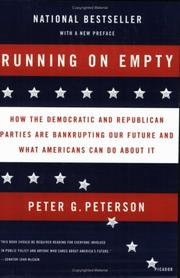 Running on Empty: How the Democratic and Republican Parties Are Bankrupting Our Future and What Americans Can Do About It
-
 The Submerged State: How Invisible Government Policies Undermine American Democracy
-
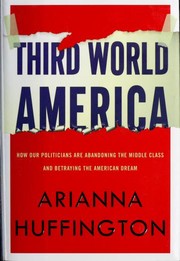 Third World America: How Our Politicians Are Abandoning the Middle Class and Betraying the American Dream
-
 The End Is Near and It's Going to Be Awesome: How Going Broke Will Leave America Richer, Happier, and More Secure
“If it was the economics that hooked you, try one of these.”
-
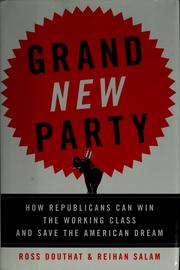 Grand New Party: How Republicans Can Win the Working Class and Save the American Dream
-
 Republic, Lost: How Money Corrupts Congress--and a Plan to Stop It
-
 The Speech: A Historic Filibuster on Corporate Greed and the Decline of Our Middle Class
-
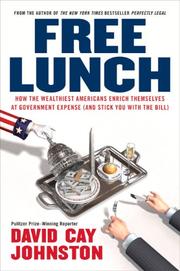 Free Lunch: How the Wealthiest Americans Enrich Themselves at Government Expense