Don't Call Me Inspirational: A Disabled Feminist Talks Back
Sign in to keep track of books you’ve read and want to read.
For psychotherapist, painter, feminist, filmmaker, writer, and disability activist Harilyn Rousso, hearing well-intentioned people tell her, "You're so inspirational!" is patronizing, not complimentary.
In her empowering and at times confrontational memoir, Don't Call Me Inspirational, Rousso, who has cerebral palsy, describes overcoming the prejudice against disability—not overcoming disability. She addresses the often absurd and ignorant attitudes of strangers, friends, and family.
Read more
Rousso also examines her own prejudice toward her disabled body, and portrays the healing effects of intimacy and creativity, as well as her involvement with the disability rights community. She intimately reveals herself with honesty and humor and measures her personal growth as she goes from "passing" to embracing and claiming her disability as a source of pride, positive identity, and rebellion.
A collage of images about her life, rather than a formal portrait, Don't Call Me Inspirationalcelebrates Rousso's wise, witty, productive, outrageous life, disability and all.
Liked Don't Call Me Inspirational: A Disabled Feminist Talks Back? Here’s where I’d start.
These suit anyone who liked Don't Call Me Inspirational: A Disabled Feminist Talks Back. Sign in and mark a few books for picks shaped around your own taste.
-
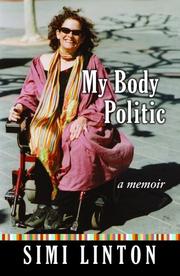 My Body Politic: A Memoir Shares disability, memoir, nonfiction
 -
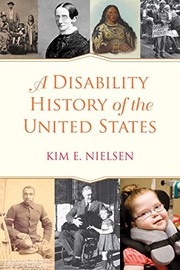 A Disability History of the United States Shares disability, nonfiction, feminism
 -
 The Ugly Laws: Disability in Public Shares disability, nonfiction
 -
 Waist-High in the World: A Life Among the Nondisabled Shares disability, memoir, nonfiction