
Isaac's Storm: A Man, a Time, and the Deadliest Hurricane in History
Sign in to keep track of books you’ve read and want to read.
On September 8, 1900, a massive hurricane slammed into Galveston, Texas. A tidal surge of some four feet in as many seconds inundated the city, while the wind destroyed thousands of buildings. By the time the water and winds subsided, entire streets had disappeared and as many as 10,000 were dead—making this the worst natural disaster in America's history.In Isaac's Storm, Erik Larson blends science and history to tell the story of Galveston, its people, and the hurricane that devastated them. Drawing on hundreds of personal reminiscences of the storm, Larson follows individuals through the fateful day and the storm's aftermath. There's Louisa Rollfing, who begged her husband, August, not to go into town the morning of the storm; the Ursuline Sisters at St. Mary's orphanage who tied their charges to lengths of clothesline to keep them together; Judson Palmer, who huddled in his bathroom with his family and neighbors, hoping to ride out the storm. At the center of it all is Isaac Cline, employee of the nascent Weather Bureau, and his younger brother—and rival weatherman—Joseph. Larson does an excellent job of piecing together Isaac's life and reveals that Isaac was not the quick-thinking hero he claimed to be after the storm ended. The storm itself, however, is the book's true protagonist—and Larson describes its nuances in horrific detail.
Read more
At times the prose is a bit too purple, but Larson is engaging and keeps the book's tempo rising in pace with the wind and waves. Overall, Isaac's Stormrecaptures at a time when, standing in the first year of the century, Americans felt like they ruled the world—and that even the weather was no real threat to their supremacy. Nature proved them wrong. —Sunny Delaney
Liked Isaac's Storm: A Man, a Time, and the Deadliest Hurricane in History? Here’s where I’d start.
These suit anyone who liked Isaac's Storm: A Man, a Time, and the Deadliest Hurricane in History. Sign in and mark a few books for picks shaped around your own taste.
-
 The Children's Blizzard Shares nonfiction, history, American history
 -
 Brilliance and Fire: A Biography of Diamonds Shares nonfiction, history, science
 -
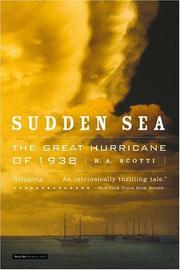 Sudden Sea: The Great Hurricane of 1938 Shares nonfiction, history, weather
 -
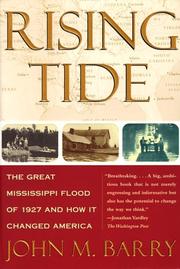 Rising Tide: The Great Mississippi Flood of 1927 and How It Changed America Shares nonfiction, history, American history
“People who read Isaac's Storm: A Man, a Time, and the Deadliest Hurricane in History tend to reach for these next.”
“If you want more of the same (history about american history), start with these.”
- Lifeboat No. 8: An Untold Tale of Love, Loss, and Surviving the Titanic
-
 Obscene in the Extreme: The Burning and Banning of John Steinbeck's the Grapes of Wrath
-
 Panati's Extraordinary Endings of Practically Everything and Everybody
-
 100 of the Worst Ideas in History: Humanity's Thundering Brainstorms Turned Blundering Brain Farts
“If it was the American history that hooked you, try one of these.”



“These start from a similar idea, even if they go somewhere else with it.”
-
 The Storm of the Century: Tragedy, Heroism, Survival, and the Epic True Story of America's Deadliest Natural Disaster: The Great Gulf Hurricane of 1900
-
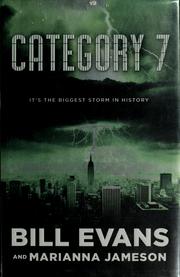 Category 7
-
 Horrors of History: City of the Dead: Galveston Hurricane, 1900
-
 Island in a Storm: A Rising Sea, a Vanishing Coast, and a Nineteenth-Century Disaster that Warns of a Warmer World