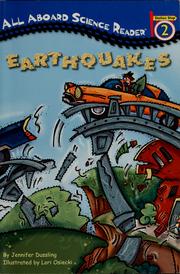
Earthquakes in Human History: The Far-Reaching Effects of Seismic Disruptions
Sign in to keep track of books you’ve read and want to read.
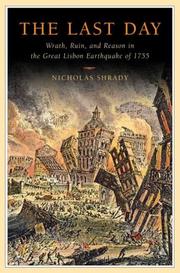
On November 1, 1755—All Saints' Day—a massive earthquake struck Europe's Iberian Peninsula and destroyed the city of Lisbon. Churches collapsed upon thousands of worshippers celebrating the holy day. "Earthquakes in Human History" tells the story of that calamity and other epic earthquakes. The authors, Jelle Zeilinga de Boer and Donald Theodore Sanders, recapture the power of their previous book, "Volcanoes in Human History." They vividly explain the geological processes responsible for earthquakes, and they describe how these events have had long-lasting aftereffects on human societies and cultures. Their accounts are enlivened with quotations from contemporary literature and from later reports.
Read more
In the chaos following the Lisbon quake, government and church leaders vied for control. The Marques de Pombal rose to power and became a virtual dictator. As a result, the Roman Catholic Jesuit Order lost much of its influence in Portugal. Voltaire wrote his satirical work "Candide" to refute the philosophy of "optimism," the belief that God had created a perfect world. And the 1755 earthquake sparked the search for a scientific understanding of natural disasters.
Ranging from an examination of temblors mentioned in the Bible, to a richly detailed account of the 1906 catastrophe in San Francisco, to Japan's Great Kanto Earthquake of 1923, to the Peruvian earthquake in 1970 (the Western Hemisphere's greatest natural disaster), this book is an unequaled testament to a natural phenomenon that can be not only terrifying but also threatening to humankind's fragile existence, always at risk because of destructive powers beyond our control."
Liked Earthquakes in Human History: The Far-Reaching Effects of Seismic Disruptions? Here’s where I’d start.
These suit anyone who liked Earthquakes in Human History: The Far-Reaching Effects of Seismic Disruptions. Sign in and mark a few books for picks shaped around your own taste.


“If you want more of the same (history about disaster), start with these.”
-
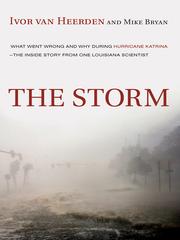 The Storm: What Went Wrong and Why During Hurricane Katrina--the Inside Story from One Louisiana Scientist
-
 F5: The Devastating Tornado Outbreak of 1974
-
 The Storm of the Century: Tragedy, Heroism, Survival, and the Epic True Story of America's Deadliest Natural Disaster: The Great Gulf Hurricane of 1900
-
 Island in a Storm: A Rising Sea, a Vanishing Coast, and a Nineteenth-Century Disaster that Warns of a Warmer World