The Way of the Moving Horse

Learn to Play Go seriesbook 2 of 5Next:The Dragon Style(1996) →

The Way of the Moving Horse is the second volume of the award-winning Learn to Play Go series. Covers fundamentals of good play, including opening theory, enclosures and approaches, bases and extensions, invasion and reduction, attack and defense, capturing races, ko, life and death, contact fighting, and endgame. Shows the Korean school's strength vs. speed model to choose between six basic moves. Includes self-test and Internet Go section.

Audience
adult
Length
short · 166 pages

Click a tag to see books like this one that share it. Point at it (on a phone, tap it) for less of it instead.

Read it? Sign in to help tag it.

Liked The Way of the Moving Horse? Here’s where I’d start.

These suit anyone who liked The Way of the Moving Horse. Sign in and mark a few books for picks shaped around your own taste.
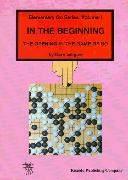
  1. In the Beginning Shares go, games, nonfiction
  2. Tesuji Shares go, games, baduk
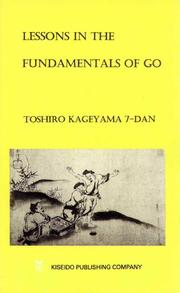
  3. Lessons in the Fundamentals of Go (Beginner and Elementary Go Books) Shares go, nonfiction, baduk
  4. Go for Beginners Shares go, games, nonfiction

“People who read The Way of the Moving Horse tend to reach for these next.”

  1. Go! More Than a Game
  2. Winning Chess Strategies, revised
  3. Gamification by Design
  4. Gamers at Work: Stories Behind the Games People Play

“If you want more of the same, start with these.”

  1. Guinness World Records 2001
  2. Winner's Guide To Texas Hold'em Poker
  3. Guinness World Records 2005
  4. Friends: The Official Trivia Guide

“If it was the go that hooked you, try one of these.”

  1. Graded Go Problems for Beginners, 30 Kyu to 25 Kyu (Beginner & Elementary Go Bks.) (Beginner & Elementary Go Books)
  2. The Second Book of Go
  3. Life and Death
  4. Go, a Complete Introduction to the Game

“These start from a similar idea, even if they go somewhere else with it.”

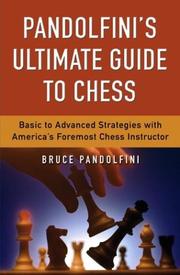
  1. Pandolfini's Ultimate Guide to Chess
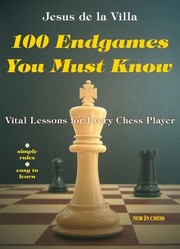
  2. 100 Endgames You Must Know: Vital Lessons for Every Chess Player
  3. Dvoretsky's Endgame Manual
  4. The Reassess Your Chess Workbook: How to Master Chess Imbalances