The Better Angel: Walt Whitman in the Civil War
Sign in to keep track of books you’ve read and want to read.
On May 26, 1863, Walt Whitman wrote to his mother: "O the sad, sad things I see—the noble young men with legs and arms taken off—the deaths—the sick weakness, sicker than death, that some endure, after amputations...just flickering alive, and O so deathly weak and sick." For nearly three years, Whitman immersed himself in the devastation of the Civil War, tending to thousands of wounded soldiers and recording his experience with an immediacy and compassion unequaled in wartime literature anywhere in the world.
Read more
In The Better Angel, acclaimed biographer Roy Morris, Jr. gives us the fullest accounting of Whitman's profoundly transformative Civil War Years and an historically invaluable examination of the Union's treatment of its sick and wounded. Whitman was mired in depression as the war began, subsisting on journalistic hackwork, wasting his nights in New York's seedy bohemian underground, his "great career" as a poet apparently stalled. But when news came that his brother George had been wounded at Fredericksburg, Whitman rushed south to find him. Though his brother's injury was slight, Whitman was deeply affected by his first view of the war's casualties. He began visiting the camp's wounded and, almost by accident, found his calling for the duration of the war. Three years later, he emerged as the war's "most unlikely hero," a living symbol of American democratic ideals of sharing and brotherhood.
Instead of returning to Brooklyn as planned, Whitman continued to visit the wounded soldiers in the hospitals in and around the capital. He brought them ice cream, tobacco, brandy, books, magazines, pens and paper, wrote letters for those who were not able and offered to all the enormous healing influence of his sympathy and affection. Indeed, several soldiers claimed that Whitman had saved their lives. One noted that Whitman "seemed to have what everybody wanted" and added "When this old heathen came and gave me a pipe and tobacco, it was about the most joyful moment of my life." Another wrote that "There is many a soldier that never thinks of you but with emotions of the greatest gratitude." But if Whitman gave much to the soldiers, they in turn gave much to him. In witnessing their stoic suffering, in listening to their understated speech, and in being always in the presence of death, Whitman evolved the new and more direct poetic style that was to culminate in his masterpiece, "When Lilacs Last in the Dooryard Bloom'd."
Brilliantly researched and beautifully written, The Better Angel explores a side of Whitman not fully examined before, one that greatly enriches our understanding of his later poetry. More than that, it gives us a vivid and unforgettable portrait of the "other army"—the legions of sick and wounded soldiers who are usually left in the shadowy background of Civil War history—seen here through the unflinching eyes of America's greatest poet.
Liked The Better Angel: Walt Whitman in the Civil War? Here’s where I’d start.
These suit anyone who liked The Better Angel: Walt Whitman in the Civil War. Sign in and mark a few books for picks shaped around your own taste.
-
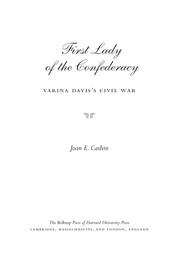 First Lady of the Confederacy: Varina Davis's Civil War Shares civil war, biography, nonfiction
 -
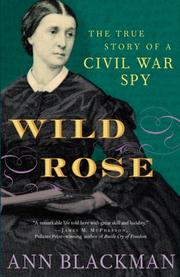 Wild Rose: The True Story of a Civil War Spy Shares civil war, biography, nonfiction
 -
 Winfield Scott Hancock: A Soldier's Life Shares civil war, biography, civil
 -
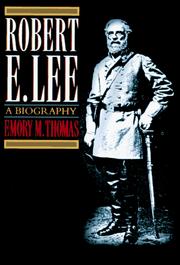 Robert E. Lee: A Biography Shares civil war, biography, nonfiction