The Witch Must Die: The Hidden Meaning of Fairy Tales
Sign in to keep track of books you’ve read and want to read.
In The Witch Must Die, Sheldon Cashdan explores how fairy tales help children deal with psychological conflicts by projecting their own internal struggles between good and evil onto the battles enacted by the characters in the stories. Not since Bettelheim's The Uses of Enchantment has the underlying significance of fantasy and fairy tales been so insightfully and entertainingly mined.
Liked The Witch Must Die: The Hidden Meaning of Fairy Tales? Here’s where I’d start.
These suit anyone who liked The Witch Must Die: The Hidden Meaning of Fairy Tales. Sign in and mark a few books for picks shaped around your own taste.
-
 Off with their heads!: fairy tales and the culture of childhood Shares fairy tale, nonfiction, research
-
 Fairy Tales and the Art of Subversion: The Classical Genre for Children and the Process of Civilization Shares fairy tale, nonfiction, academic
-
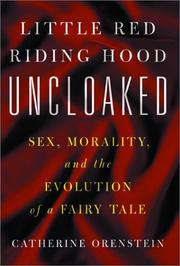 Little Red Riding Hood Uncloaked: Sex, Morality, and the Evolution of a Fairy Tale Shares fairy tale, nonfiction, research
-
 The Interpretation of Fairy Tales Shares fairy tale, nonfiction, psychology
“People who read The Witch Must Die: The Hidden Meaning of Fairy Tales tend to reach for these next.”
-
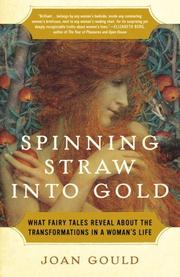 Spinning Straw into Gold: What Fairy Tales Reveal About the Transformations in a Woman's Life
-
 From the Beast to the Blonde: On Fairy Tales and Their Tellers
-
 Mirror, Mirror on the Wall: Women Writers Explore Their Favorite Fairy Tales
-
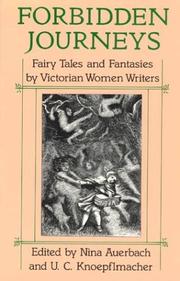 Forbidden Journeys: Fairy Tales and Fantasies by Victorian Women Writers