Cover of Art of Attack in Chess

Art of Attack in Chess

One of the finest chess books ever written, the Art of Attack has been transcribed into algebraic notation for the first time. In this revised edition of the great classic, the author expounds both the basic principles and the most complex forms of attack on the king. A study of this masterpiece will add power and brilliance to any chess enthusiast's play. (5 3/4' X 8 1/4', 352 pages, illustrations, index)

Audience
adult
Length
medium · 352 pages

Click a tag to see books like this one that share it. Point at it (on a phone, tap it) for less of it instead.

Read it? Sign in to help tag it.

Liked Art of Attack in Chess? Here’s where I’d start.

These suit anyone who liked Art of Attack in Chess. Sign in and mark a few books for picks shaped around your own taste.
  1. Silman's Complete Endgame Course: From Beginner to Master Shares chess, xadrez, nonfiction
  2. Zurich International Chess Tournament, 1953 Shares chess, xadrez, nonfiction
  3. My System Shares chess, xadrez, nonfiction
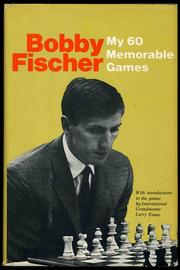
  4. My 60 Memorable Games Shares chess, nonfiction, xadrez

“People who read Art of Attack in Chess tend to reach for these next.”

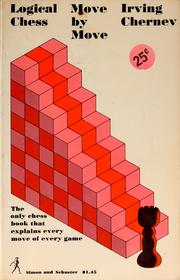
  1. Logical Chess Move By Move: Every Move Explained New Algebraic Edition
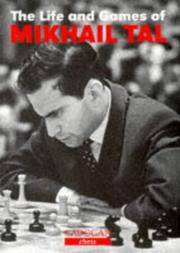
  2. The Life and Games of Mikhail Tal
  3. Chess: 5334 Problems, Combinations and Games
  4. Dvoretsky's Endgame Manual

“If you want more of the same (self-help), start with these.”

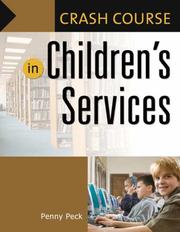
  1. Crash Course in Children's Services
  2. Five Laws of Library Science
  3. Forty Beads: The Simple, Sexy Secret for Transforming Your Marriage
  4. Winning the Clutter War

“If it was the chess that hooked you, try one of these.”

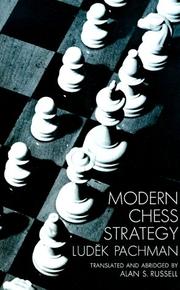
  1. Modern Chess Strategy
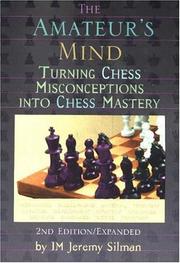
  2. The Amateur's Mind: Turning Chess Misconceptions Into Chess Mastery
  3. Weapons of Chess: An Omnibus of Chess Strategies
  4. Best Lessons of a Chess Coach

“These start from a similar idea, even if they go somewhere else with it.”

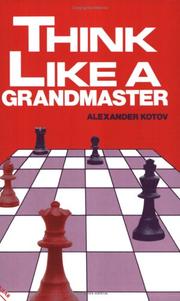
  1. Think Like A Grandmaster
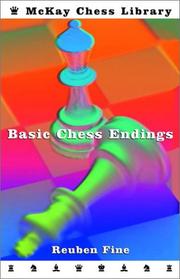
  2. Basic Chess Endings
  3. Simple Chess: New Algebraic Edition
  4. Ideas Behind the Chess Openings: Algebraic Edition