Does the Center Hold?: An Introduction to Western Philosophy
Sign in to keep track of books you’ve read and want to read.
Containing more than 500 illustrations, this topically-organized introductory text presents the ideas and issues typically covered in introductory courses. It aims to demonstrate that serious philosophical inquiry may be perplexing, but is ultimately enlightening and liberating.
Liked Does the Center Hold?: An Introduction to Western Philosophy? Here’s where I’d start.
These suit anyone who liked Does the Center Hold?: An Introduction to Western Philosophy. Sign in and mark a few books for picks shaped around your own taste.
-
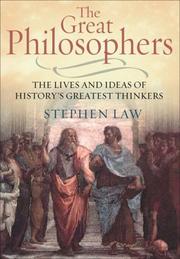 The Great Philosophers Shares philosophy, nonfiction, history
 -
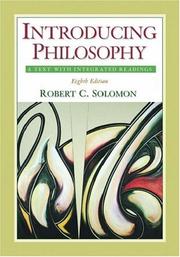 Introducing Philosophy: A Text with Integrated Readings Shares philosophy, textbooks, nonfiction
 -
 Kant's Transcendental Idealism: An Interpretation and Defense Shares philosophy, nonfiction
 -
 The Analytic Theist: An Alvin Plantinga Reader Shares philosophy