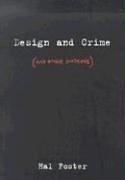
Cover of Design and Crime

Design and Crime

In the first half of this book, Hal Foster surveys our new 'political economy of design,' exploring the marketing of culture and the branding of identity, the development of spectacle-architecture and the rise of global cities. In the second half, he examines the historical relations of modern art and the modern museum, the conceptual vicissitudes of art history and visual studies, the recent travails of art criticism, and the double aftermath of modernism and postmodernism. Written in a lively style, Design and Crimeoffers historical sketches and contemporary test-cases in an attempt to illuminate the conditions for critical culture in the present.

Subject
philosophy
Themes
art
Setting
20th century
Audience
adult
Length
short · 194 pages
Form
essays

Click a tag to see books like this one that share it.

Read it? Sign in to help tag it.

Liked Design and Crime? Here’s where I’d start.

These suit anyone who liked Design and Crime. Sign in and mark a few books for picks shaped around your own taste.
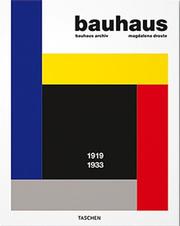
  1. Bauhaus 1919-1933 Shares design, art, architecture
  2. Hans Ulrich Obrist: Everything You Always Wanted to Know about Curating But Were Afraid to Ask Shares art, nonfiction
  3. Art and Culture: Critical Essays Shares art, art history, essays
  4. How To See Shares design, art, nonfiction

“People who read Design and Crime tend to reach for these next.”

  1. Guy Debord and the Situationist International: Texts and Documents
  2. Impossible Exchange
  3. Publics and Counterpublics
  4. Typographie =: Typography

“If you want more of the same (philosophy about art), start with these.”

  1. The Use and Abuse of Art
  2. Art After Modernism: Rethinking Representation
  3. Free onlineFree Concerning the Spiritual in Art
  4. Vision and visuality

“If it was the art that hooked you, try one of these.”

  1. Spoonflower: DIY Fabric, Wallpaper, and Wrapping Paper for a DIY World
  2. Pantone: The Twentieth Century in Color
  3. The Grammar of Ornament
  4. A Handbook of Ornament with 300 Plates Containing about 3,000 Illustrations of the Elements, and the Application of Decoration to Objects

“These start from a similar idea, even if they go somewhere else with it.”

  1. Nineteenth Century European Art
  2. LOGO Modernism
  3. The Condition of Postmodernity: An Enquiry into the Origins of Cultural Change
  4. Modern Art 1851-1929: Capitalism and Representation