Understanding Archives & Manuscripts
Sign in to keep track of books you’ve read and want to read.
This volume introduces students and beginning practitioners to the fundamentals of working with and preserving archival records and manuscripts. Sample topics include the history of the archives profession, the organization of archival records, and the values that inform practice. A new chapter on contemporary challenges in the archival world has been added for the second edition, and the bibliographic essay has been updated.
Liked Understanding Archives & Manuscripts? Here’s where I’d start.
These suit anyone who liked Understanding Archives & Manuscripts. Sign in and mark a few books for picks shaped around your own taste.
-
 Arranging & Describing Archives & Manuscripts Shares archives, nonfiction, aca exam
 -
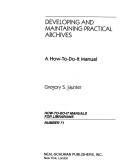 Developing and Maintaining Practical Archives: A How-To-Do-It Manual Shares archives, nonfiction, mlis
 -
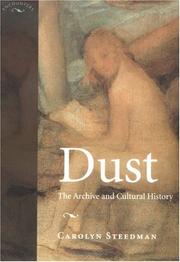 Dust: The Archive and Cultural History Shares archives, nonfiction, history
 -
 Archives: Principles and Practices Shares archives, nonfiction, information science