Exploding Ants: Amazing Facts About How Animals Adapt
Sign in to keep track of books you’ve read and want to read.
A wasp lays its eggs under a
caterpillar's skin so that its young can
eat the caterpillar's guts as they grow.
A young head louse makes its home
Read more
on a human hair and feasts on
human blood.
Frogs use their eyeballs to help
swallow their food.
From small worms that live in a dog's nose mucus to exploding ants to regurgitating mother gulls, this book tells of the unusual ways animals find food, shelter, and safety in the natural world.
If animals all ate the same things and lived in the same places, it would be impossible for all of them to survive. So they specialize. Some animals eat the bits that others leave behind, such as skin and mucus. They find all kinds of unusual places to shelter, including the cracks and holes in another creature's skin or its internal organs. They use their own bodies to protect themselves from predators by imitating unsavory items such as bird droppings and even by blowing up.
These habits that may seem disgusting to us are wonderful adaptations that make it possible for a great variety of creatures to live and thrive on Earth. Read about them and marvel at the amazing ways animals adapt to the natural world.
Liked Exploding Ants: Amazing Facts About How Animals Adapt? Here’s where I’d start.
These suit anyone who liked Exploding Ants: Amazing Facts About How Animals Adapt. Sign in and mark a few books for picks shaped around your own taste.
-
Please Be Nice to Sharks: Fascinating Facts about the Ocean’s Most Misunderstood Creatures Shares nonfiction, picture books, animals
-
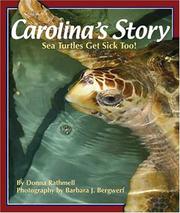 Carolina's Story: Sea Turtles Get Sick Too Shares nonfiction, animals, science
-
 Frogs! Shares nonfiction, science, animals
-
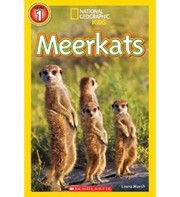 Meerkats Shares nonfiction, picture books, animals