Cover of Our Inner Conflicts: A Constructive Theory of Neurosis

Our Inner Conflicts: A Constructive Theory of Neurosis

Unlike Freud, Horney does not regard neurosis as rooted in instinct. In her words, her theory is constructive because "it allows us for the first time to tackle and resolve neurotic hopelessness. . . . Neurotic conflicts cannot be resolved by rational decision. . . . But [they] can be resolved by changing the conditions within the personality that brought them into being."

Audience
adult
Length
medium · 256 pages

Click a tag to see books like this one that share it. Point at it (on a phone, tap it) for less of it instead.

Read it? Sign in to help tag it.

Liked Our Inner Conflicts: A Constructive Theory of Neurosis? Here’s where I’d start.

These suit anyone who liked Our Inner Conflicts: A Constructive Theory of Neurosis. Sign in and mark a few books for picks shaped around your own taste.

  1. The Meaning of Anxiety Shares psychology, nonfiction, psych
  2. Character Analysis Shares psychology, nonfiction, psychoanalysis
  3. Understanding Human Nature Shares psychology, nonfiction, psikoloji
  4. The Farther Reaches of Human Nature (Esalen Book) Shares psychology, nonfiction, psych

“People who read Our Inner Conflicts: A Constructive Theory of Neurosis tend to reach for these next.”

  1. The Will to Meaning: Foundations and Applications of Logotherapy
  2. Young Man Luther: A Study in Psychoanalysis and History
  3. Attachment in Psychotherapy
  4. Envy and Gratitude and Other Works

“If you want more of the same (psychology about mental health), start with these.”

  1. Gestalt Therapy Verbatim
  2. Cognitive Therapy for Challenging Problems: What to Do When the Basics Don't Work
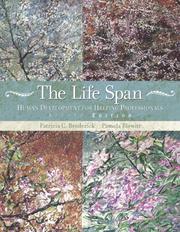
  3. The Life Span: Human Development for Helping Professionals
  4. Archetypal Psychology (James Hillman Uniform Edition, Vol. 1)

“If it was the psych that hooked you, try one of these.”

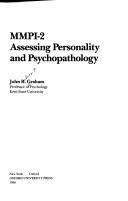
  1. MMPI-2: Assessing Personality and Psychopathology
  2. The Gestalt Approach and Eye Witness to Therapy
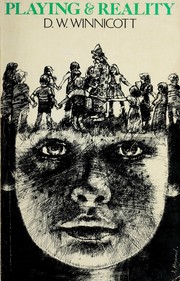
  3. Playing and Reality
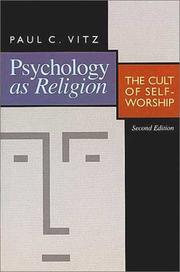
  4. Psychology as Religion: The Cult of Self-Worship

“These start from a similar idea, even if they go somewhere else with it.”

  1. The Trauma of Birth
  2. Human Experience: Philosophy, Neurosis, and the Elements of Everyday Life
  3. Chaosophy: Texts and Interviews 1972–1977
  4. The 9 Ways of Working: How to Use the Enneagram to Discover Your Natural Strengths and Work More Effectively