Radical Equations: Civil Rights from Mississippi to the Algebra Project
Sign in to keep track of books you’ve read and want to read.
At a time when popular solutions to the educational plight of poor children of color are imposed from the outside-national standards, high-stakes tests, charismatic individual saviors-the acclaimed Algebra Project and its founder, Robert Moses, offer a vision of school reform based in the power of communities. Begun in 1982, the Algebra Project is transforming math education in twenty-five cities. Founded on the belief that math-science literacy is a prerequisite for full citizenship in society, the Project works with entire communities-parents, teachers, and especially students-to create a culture of literacy around algebra, a crucial stepping-stone to college math and opportunity.
Read more
Telling the story of this remarkable program, Robert Moses draws on lessons from the 1960s Southern voter registration he famously helped organize: 'Everyone said sharecroppers didn't want to vote. It wasn't until we got them demanding to vote that we got attention. Today, when kids are falling wholesale through the cracks, people say they don't want to learn. We have to get the kids themselves to demand what everyone says they don't want.'
We see the Algebra Project organizing community by community. Older kids serve as coaches for younger students and build a self-sustained tradition of leadership. Teachers use innovative techniques. And we see the remarkable success stories of schools like the predominately poor Hart School in Bessemer, Alabama, which outscored the city's middle-class flagship school in just three years.
Radical Equationsprovides a model for anyone looking for a community-based solution to the problems of our disadvantaged schools.
Liked Radical Equations: Civil Rights from Mississippi to the Algebra Project? Here’s where I’d start.
These suit anyone who liked Radical Equations: Civil Rights from Mississippi to the Algebra Project. Sign in and mark a few books for picks shaped around your own taste.
-
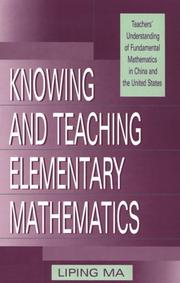 Knowing and Teaching Elementary Mathematics: Teachers' Understandng Fundamental Mathematics in China and the United States Shares education, math, teaching
 -
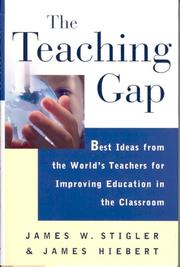 The Teaching Gap: Best Ideas from the World's Teachers for Improving Education in the Classroom Shares education, math, teaching
 -
 What's Math Got to Do with It?: Helping Children Learn to Love Their Least Favorite Subject--and Why It's Important for America Shares education, math, nonfiction
 -
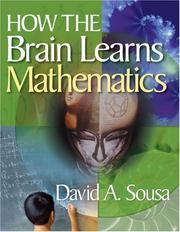 How the Brain Learns Mathematics Shares education, math, teaching
“People who read Radical Equations: Civil Rights from Mississippi to the Algebra Project tend to reach for these next.”
“If you want more of the same (education about african american), start with these.”
-
 Good Questions: Great Ways to Differentiate Mathematics Instruction
-
 Making Number Talks Matter: Developing Mathematical Practices and Deepening Understanding, Grades 4-10
-
 Doing Your Research Project: A Guide for First-Time Researchers in Education, Health and Social Science
-
 An Easy Start in Arithmetic, Grades K-3