The Great Society Subway: A History of the Washington Metro
Sign in to keep track of books you’ve read and want to read.
Drivers in the nation's capital face a host of hazards: high-speed traffic circles, presidential motorcades, jaywalking tourists, and bewildering signs that send unsuspecting motorists from the Lincoln Memorial into suburban Virginia in less than two minutes. And parking? Don't bet on it unless you're in the fast lane of the Capital Beltway during rush hour.
Read more
Little wonder, then, that so many residents and visitors rely on the Washington Metro, the 106-mile rapid transit system that serves the District of Columbia and its inner suburbs. In the first comprehensive history of the Metro, Zachary M. Schrag tells the story of the Great Society Subway from its earliest rumblings to the present day, from Arlington to College Park, Eisenhower to Marion Barry.
Unlike the pre-World War II rail systems of New York, Chicago, and Philadelphia, the Metro was built at a time when most American families already owned cars, and when most American cities had dedicated themselves to freeways, not subways. Why did the nation's capital take a different path? What were the consequences of that decision?
Using extensive archival research as well as oral history, Schrag argues that the Metro can be understood only in the political context from which it was born: the Great Society liberalism of the Kennedy, Johnson, and Nixon administrations. The Metro emerged from a period when Americans believed in public investments suited to the grandeur and dignity of the world's richest nation. The Metro was built not merely to move commuters, but in the words of Lyndon Johnson, to create "a place where the city of man serves not only the needs of the body and the demands of commerce but the desire for beauty and the hunger for community."
Schrag scrutinizes the project from its earliest days, including general planning, routes, station architecture, funding decisions, land-use impacts, and the behavior of Metro riders. The story of the Great Society Subway sheds light on the development of metropolitan Washington, postwar urban policy, and the promises and limits of rail transit in American cities.
Liked The Great Society Subway: A History of the Washington Metro? Here’s where I’d start.
These suit anyone who liked The Great Society Subway: A History of the Washington Metro. Sign in and mark a few books for picks shaped around your own taste.
-
 Washington Burning: How a Frenchman's Vision for Our Nation's Capital Survived Congress, the Founding Fathers, and the Invading British Army Shares history, nonfiction, Washington DC
 -
 Human Transit: How Clearer Thinking about Public Transit Can Enrich Our Communities and Our Lives Shares transit, nonfiction, urban planning
 -
 Fighting Traffic: The Dawn of the Motor Age in the American City Shares nonfiction, transportation, urban planning
 -
 Empire of Mud: The Secret History of Washington, DC Shares nonfiction, history, Washington DC
“People who read The Great Society Subway: A History of the Washington Metro tend to reach for these next.”
“If you want more of the same (history about american history), start with these.”
-
 The Invisibles: The Untold Story of African American Slaves in the White House
-
 The President's House: 1800 to the Present The Secrets and History of the World's Most Famous Home
-
 Decoding The Lost Symbol: The Unauthorized Expert Guide to the Facts Behind the Fiction
-
 Washington's Monument: And the Fascinating History of the Obelisk
“If it was the transportation that hooked you, try one of these.”
-
 The Big Roads: The Untold Story of the Engineers, Visionaries, and Trailblazers Who Created the American Superhighways
-
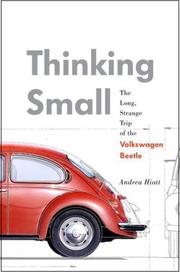 Thinking Small: The Long, Strange Trip of the Volkswagen Beetle
-
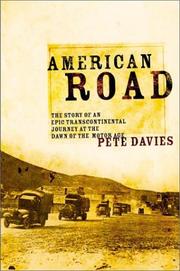 American Road: The Story of an Epic Transcontinental Journey at the Dawn of the Motor Age
-
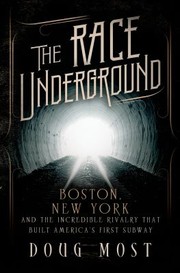 The Race Underground: Boston, New York, and the Incredible Rivalry That Built America’s First Subway