Young, Gifted, and Black: Promoting High Achievement among African-American Students
Sign in to keep track of books you’ve read and want to read.
Young, Gifted, and Blackis a unique joint effort by three leading African-American scholars to radically reframe the debates swirling around the achievement of African-American students in school.
Read more
In three separate but allied essays, Theresa Perry, Claude Steele, and Asa Hilliard place students' social identity as African-Americans at the very center of the discussion. They all argue that the unique social and cultural position Black students occupy, in a society which often devalues and stereotypes African American identity, fundamentally shapes students' experience of school and sets up unique obstacles. And they all argue that a proper understanding of the forces at work can lead to practical, powerful methods for promoting high achievement at all levels.
Theresa Perry argues that African-American students face dilemmas, founded in the experience of race and ethnicity in America, that make the task of achievement distinctive and difficult. (For instance: "How do I commit myself to achieve, to work hard over time in school, if I cannot predict when or under what circumstances this hard work will be acknowledged and recognized?") She uncovers a rich and powerful African- American philosophy of education, historically forged against such obstacles and capable of addressing them, by reading African-American narratives from Frederick Douglass to Maya Angelou. She carefully critiques the most popular theoretical explanations for group differences in achievement. And she lays out how educators today-in a postcivil rights era-can draw on theory and on the historical power of the African-American philosophy and tradition of education to reorganize the school experience of African-American students.
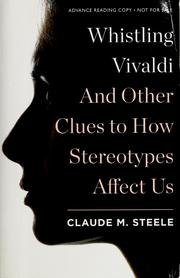
Claude Steele reports stunningly clear empirical psychological evidence that when Black students believe they are being judged as members of a stereotyped group rather than as individuals, they do worse on tests. He finds the mechanism, which he calls "stereotype threat," to be a quite general one, affecting women's performance in mathematics, for instance, where stereotypes about gender operate. He analyzes the subtle psychology of stereotype threat and reflects on the broad implications of his research for education, suggesting techniques-based again on evidence from controlled psychological experiments-that teachers and mentors and schools can use to counter stereotype threat's powerful effect.
Asa Hilliard's ends essay, against a variety of false theories and misguided views of African American achievement, and focuses on actual schools and programs and teachers around the country that allow African-American students achieve at high levels, describing what they are like and what makes them work.
Young, Gifted, and Blackwill change the way we think and talk about African American student achievement and will be necessary reading on this topic for years to come.
Liked Young, Gifted, and Black: Promoting High Achievement among African-American Students? Here’s where I’d start.
These suit anyone who liked Young, Gifted, and Black: Promoting High Achievement among African-American Students. Sign in and mark a few books for picks shaped around your own taste.
-
 Lenses on Reading: An Introduction to Theories and Models Shares education, professional, nonfiction
 -
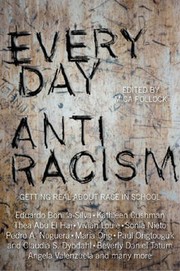 Everyday Antiracism: Getting Real About Race in School Shares education, professional, nonfiction
 -
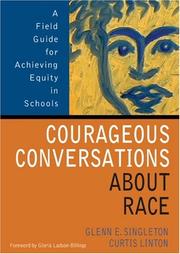 Courageous Conversations about Race: A Field Guide for Achieving Equity in Schools Shares education, professional, teaching
 -
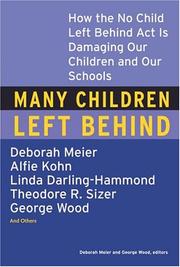 Many Children Left Behind: How the No Child Left Behind Act Is Damaging Our Children and Our Schools Shares education, nonfiction, teaching
“People who read Young, Gifted, and Black: Promoting High Achievement among African-American Students tend to reach for these next.”
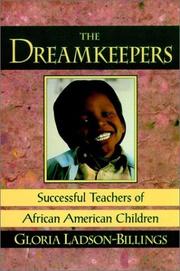

“If you want more of the same (education about african american), start with these.”


“If it was the professional that hooked you, try one of these.”
-
 Explicit Direct Instruction (EDI): The Power of the Well-Crafted, Well-Taught Lesson
-
 One Child, Two Languages: A Guide for Early Childhood Educators of Children Learning English as a Second Language, Second Edition
-
 Smart Kids, Bad Schools: 38 Ways to Save America's Future
-
 Failure Is Not an Option(tm): Six Principles That Guide Student Achievement in High-Performing Schools