The Making of New World Slavery: From the Baroque to the Modern 1492-1800
Sign in to keep track of books you’ve read and want to read.
At the time when European powers colonized the Americas, the institution of slavery had almost disappeared from Europe itself. Having overcome an institution widely regarded as oppressive, why did they sponsor the construction of racial slavery in their new colonies?
Read more
Robin Blackburn traces European doctrines of race and slavery from medieval times to the early modern epoch, and finds that the stigmatization of the ethno-religious Other was given a callous twist by a new culture of consumption, freed from an earlier moral economy.
The Making of New World Slaveryargues that independent commerce, geared to burgeoning consumer markets, was the driving force behind the rise of plantation slavery. The baroque state sought—successfully—to batten on this commerce, and—unsuccessfully—to regulate slavery and race. Successive chapters of the book consider the deployment of slaves in the colonial possessions of the Portuguese, the Spanish, the Dutch, the English and the French. Each are shown to have contributed something to the eventual consolidation of racial slavery and to the plantation revolution of the seventeenth and eighteenth centuries. It is shown that plantation slavery emerged from the impulses of civil society rather than from the strategies of the individual states.
Robin Blackburn argues that the organization of slave plantations placed the West on a destructive path to modernity and that greatly preferable alternatives were both proposed and rejected. Finally he shows that the surge of Atlantic trade, premised on the killing toil of the plantations, made a decisive contribution to both the Industrial Revolution and the rise of the West.
Liked The Making of New World Slavery: From the Baroque to the Modern 1492-1800? Here’s where I’d start.
These suit anyone who liked The Making of New World Slavery: From the Baroque to the Modern 1492-1800. Sign in and mark a few books for picks shaped around your own taste.
-
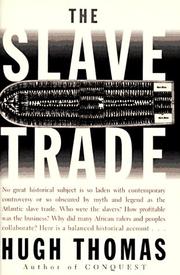 The Slave Trade: The Story of the Atlantic Slave Trade, 1440-1870 Shares history, slavery, nonfiction
 -
 The Slave Ship: A Human History Shares history, nonfiction, slavery
 -
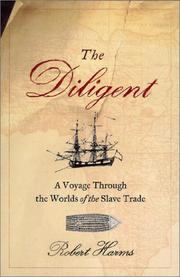 The Diligent: A Voyage Through the Worlds of the Slave Trade Shares history, nonfiction, slavery
 -
 A Short History of Slavery Shares history, slavery, nonfiction