Gardening When It Counts: Growing Food in Hard Times
Sign in to keep track of books you’ve read and want to read.
The decline of cheap oil is inspiring increasing numbers of North Americans to achieve some measure of backyard food self-sufficiency. In hard times, the family can be greatly helped by growing a highly productive food garden, requiring little cash outlay or watering.
Read more
Currently popular intensive vegetable gardening methods are largely inappropriate to this new circumstance. Crowded raised beds require high inputs of water, fertility and organic matter, and demand large amounts of human time and effort. But, except for labor, these inputs depend on the price of oil. Prior to the 1970s, North American home food growing used more land with less labor, with wider plant spacing, with less or no irrigation, and all done with sharp hand tools. But these sustainable systems have been largely forgotten. Gardening When It Countshelps readers rediscover traditional low-input gardening methods to produce healthy food.
Designed for readers with no experience and applicable to most areas in the English-speaking world except the tropics and hot deserts, this book shows that any family with access to 3-5,000 sq. ft. of garden land can halve their food costs using a growing system requiring just the odd bucketful of household waste water, perhaps two hundred dollars worth of hand tools, and about the same amount spent on supplies — working an average of two hours a day during the growing season.
Steve Solomonis a well-known west coast gardener and author of five previous books, including Growing Vegetables West of the Cascadeswhich has appeared in five editions.
Liked Gardening When It Counts: Growing Food in Hard Times? Here’s where I’d start.
These suit anyone who liked Gardening When It Counts: Growing Food in Hard Times. Sign in and mark a few books for picks shaped around your own taste.
-
 How to Grow More Vegetables: And Fruits, Nuts, Berries, Grains, and Other Crops Than You Ever Thought Possible on Less Land Than You Can Imagine Shares gardening, nonfiction, garden
 -
 Seed to Seed: Seed Saving and Growing Techniques for Vegetable Gardeners Shares gardening, garden, homesteading
 -
 The Resilient Gardener: Food Production and Self-Reliance in Uncertain Times Shares gardening, garden, homesteading
 -
 Four-Season Harvest: Organic Vegetables from Your Home Garden All Year Long Shares gardening, garden, nonfiction
“People who read Gardening When It Counts: Growing Food in Hard Times tend to reach for these next.”
-
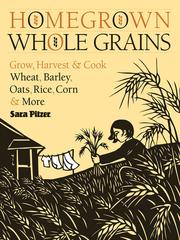 Homegrown Whole Grains: Grow, Harvest, and Cook Wheat, Barley, Oats, Rice, Corn and More
-
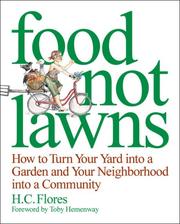 Food Not Lawns: How to Turn Your Yard Into a Garden and Your Neighborhood Into a Community
-
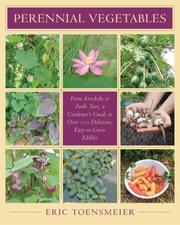 Perennial Vegetables: From Artichokes to Zuiki Taro, a Gardener's Guide to Over 100 Delicious and Easy to Grow Edibles
-
 Root Cellaring: Natural Cold Storage of Fruits Vegetables
“If you want more of the same (health about gardening), start with these.”
-
 The New Organic Grower: A Master's Manual of Tools and Techniques for the Home and Market Gardener
-
 Paradise Lot: Two Plant Geeks, One-Tenth of an Acre, and the Making of an Edible Garden Oasis in the City
-
 Edible Forest Gardens: 2 Volume Set
-
 The Vegetable Gardener's Guide to Permaculture: Creating an Edible Ecosystem