Getting Our Bodies Back
Sign in to keep track of books you’ve read and want to read.
A habitual movement as common as nail-biting or toe-tapping can be the key to pulling out addictive behavior by its roots. These unconscious movement "tags" indicate the places where our bodies have become split off from our psyches. When brought to consciousness and confronted they will often tell us very plainly where our psychological suffering originated, showing us where to begin reconnecting body and soul. Christine Caldwell, a pioneer in the field of somatic psychology, has created an original model for working with body wisdom called the Moving Cycle. She describes how this form of therapy has worked effectively in her own practice, and she provides practical techniques to show how we can learn to listen to what our bodies are telling us, confront addictive habits, and learn to celebrate our inherent wisdom and elegance.
Liked Getting Our Bodies Back? Here’s where I’d start.
These suit anyone who liked Getting Our Bodies Back. Sign in and mark a few books for picks shaped around your own taste.
-
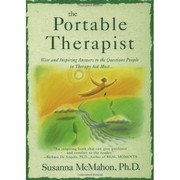 The Portable Therapist: Wise and Inspiring Answers to the Questions People in Therapy Ask the Most... Shares psychotherapy, psychology, nonfiction
 -
 The Dialectical Behavior Therapy Diary: Monitoring Your Emotional Regulation Day by Day Shares psychotherapy, psychology, nonfiction
 -
 In Therapy: How Conversations With Psychotherapists Really Work Shares nonfiction, psychology, psychotherapy
 -
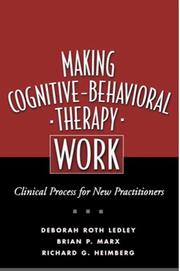 Making Cognitive-Behavioral Therapy Work: Clinical Process for New Practitioners Shares psychology, psychotherapy