Low City, High City: Tokyo from Edo to the Earthquake: How the Shogun's Ancient Capital Became a Great Modern City, 1867-1923
Sign in to keep track of books you’ve read and want to read.
Certain conjunctions of time and place exert a special fascination—Paris in the twenties, turn-of-the-century Vienna, Weimar Berlin. Tokyo in the years between the Meiji Restoration and the Earthquake of 1923 is one of these. Until 1867 the city was called Edo—it was the shogun's capital, the biggest city in a country almost completely closed to the outside world for two and a half centuries. Then, helter-skelter, it became a modern metropolis brimming with Western fads, ideas, and technologies, exuberantly inventing and imitating even as it yearned for the past it was destroying. East and West met here as never before—or since.
Liked Low City, High City: Tokyo from Edo to the Earthquake: How the Shogun's Ancient Capital Became a Great Modern City, 1867-1923? Here’s where I’d start.
These suit anyone who liked Low City, High City: Tokyo from Edo to the Earthquake: How the Shogun's Ancient Capital Became a Great Modern City, 1867-1923. Sign in and mark a few books for picks shaped around your own taste.
-
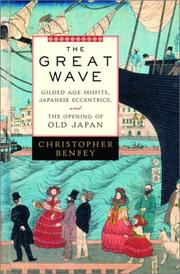 The Great Wave: Gilded Age Misfits, Japanese Eccentrics, and the Opening of Old Japan Shares japan, history, nonfiction
 -
 Japan Unbound: A Volatile Nation's Quest for Pride and Purpose Shares japan, nonfiction, history
 -
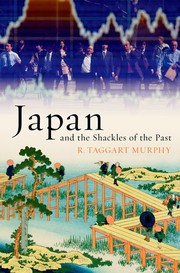 Japan and the Shackles of the Past Shares japan, history, nonfiction
 -
 Ways of Forgetting, Ways of Remembering: Japan in the Modern World Shares japan, history, nonfiction