Cover of Transcendental Style in Film: Ozu, Bresson, Dreyer

Transcendental Style in Film: Ozu, Bresson, Dreyer

The acclaimed director of Mishima, American Gigolo, Hard Core, Blue Collar, Cat People also the screenwriter for Taxi Driver, Paul Schrader here analyzes the film style of three great directors—Yasajiro Ozu, Robert Bresson, Carl Dreyer—and posits a common dramatic language by these artists from divergent cultures. Unlike the style of psychological realism, which dominates film, the transcendental style expresses a spiritual state with austere camerawork, acting devoid of self-consciousness, and editing that avoids editorial comment. This important book is an original contribution to film analysis and a key work by one of our most searching directors and writers.

Audience
adult
Length
short · 194 pages

Click a tag to see books like this one that share it. Point at it (on a phone, tap it) for less of it instead.

Read it? Sign in to help tag it.

Liked Transcendental Style in Film: Ozu, Bresson, Dreyer? Here’s where I’d start.

These suit anyone who liked Transcendental Style in Film: Ozu, Bresson, Dreyer. Sign in and mark a few books for picks shaped around your own taste.

  1. Devotional Cinema Shares film, cinema, cine
  2. Essential Cinema: On the Necessity of Film Canons Shares film, cinema, nonfiction
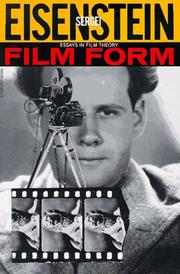
  3. Film Form: Essays in Film Theory Shares film, cinema, film studies
  4. Notes on the Cinematographer Shares film, cinema, cine

“People who read Transcendental Style in Film: Ozu, Bresson, Dreyer tend to reach for these next.”

  1. On the History of Film Style
  2. Cassavetes on Cassavetes
  3. Film as a Subversive Art
  4. Italian cinema: From neorealism to the present

“If you want more of the same (literary criticism about movies), start with these.”

  1. Signs and Meaning in the Cinema, New and Enlarged Edition
  2. The Art of Watching Films
  3. Film Technique and Film Acting
  4. The Filmmaker's Handbook: A Comprehensive Guide for the Digital Age

“If it was the film that hooked you, try one of these.”

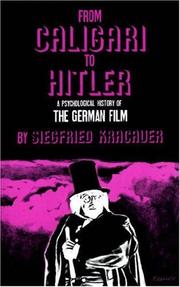
  1. From Caligari to Hitler
  2. A Cinema of Loneliness: Penn, Stone, Kubrick, Scorsese, Spielberg, Altman
  3. Jean-Luc Godard: Interviews
  4. Andrei Tarkovsky: Elements of Cinema

“These start from a similar idea, even if they go somewhere else with it.”

  1. Conversations With Scorsese
  2. On Film Editing
  3. Novels into Film
  4. Harry Potter and the Chamber of Secrets