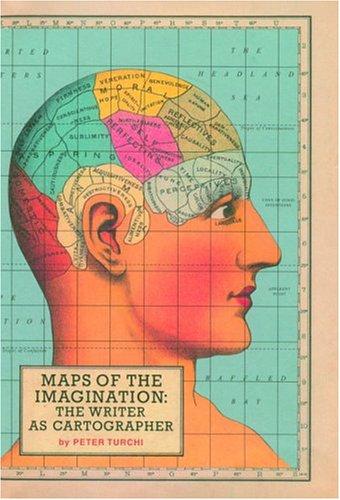
Maps of the Imagination: The Writer as Cartographer
Sign in to keep track of books you’ve read and want to read.
In Maps of the Imagination,Peter Turchi posits the idea that maps help people understand where they are in the world in the same way that literature, whether realistic or experimental, attempts to explain human realities. The author explores how writers and cartographers use many of the same devices for plotting and executing their work, making crucial decisions about what to include and what to leave out, in order to get from here to there, without excess baggage or a confusing surplus of information. Turchi traces the history of maps, from their initial decorative and religious purposes to their later instructional applications. He describes how maps rely on projections in order to portray a three-dimensional world on the two-dimensional flat surface of paper, which he then relates to what writers do in projecting a literary work from the imagination onto the page.
Liked Maps of the Imagination: The Writer as Cartographer? Here’s where I’d start.
These suit anyone who liked Maps of the Imagination: The Writer as Cartographer. Sign in and mark a few books for picks shaped around your own taste.
-
 You Are Here: Personal Geographies and Other Maps of the Imagination Shares maps, nonfiction, cartography
 -
 The Creative Writing MFA Handbook: A Guide for Prospective Graduate Students Shares writing, nonfiction, on writing
 -
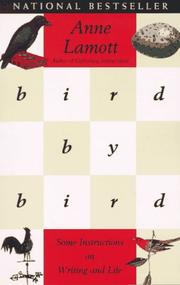 Bird by Bird: Some Instructions on Writing and Life Shares writing, nonfiction, on writing
 -
 Strange Maps: An Atlas of Cartographic Curiosities Shares maps, nonfiction, cartography
“People who read Maps of the Imagination: The Writer as Cartographer tend to reach for these next.”

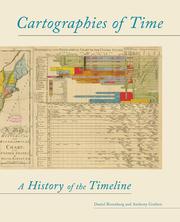
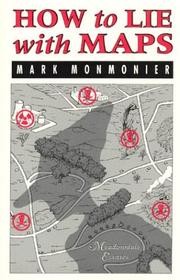

“If you want more of the same (geography about writers), start with these.”
-
 Reading Like a Writer: A Guide for People Who Love Books and for Those Who Want to Write Them
-
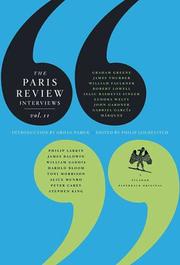 The Paris Review Interviews, II: Wisdom from the World's Literary Masters
-
 Characters, Emotion & Viewpoint: Techniques and Exercises for Crafting Dynamic Characters and Effective Viewpoints
-
 Ron Carlson Writes a Story