Cover of The Cambridge Companion to Spinoza

The Cambridge Companion to Spinoza

Cambridge Companions to Philosophy series

Benedict (Baruch) de Spinoza has been one of the most inspiring and influential philosophers of this era, yet also one of the most difficult and most frequently misunderstood. The essays in this volume provide a clear and systematic exegesis of his thought.

Audience
adult
Length
long · 480 pages

Click a tag to see books like this one that share it. Point at it (on a phone, tap it) for less of it instead.

Read it? Sign in to help tag it.

Liked The Cambridge Companion to Spinoza? Here’s where I’d start.

These suit anyone who liked The Cambridge Companion to Spinoza. Sign in and mark a few books for picks shaped around your own taste.
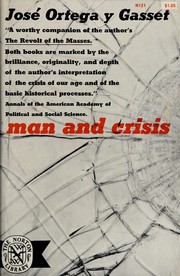

  1. Man and Crisis Shares philosophy, nonfiction, history
  2. Spinoza: Practical Philosophy Shares philosophy, spinoza, nonfiction
  3. The Great Philosophers Shares philosophy, nonfiction, history
  4. Foundations of the Metaphysics of Morals/What Is Enlightenment? Shares philosophy, nonfiction

“If you want more of the same (philosophy), start with these.”

  1. A History of Philosophy, Vol. 7: Modern Philosophy, from the Post-Kantean Idealists to Marx, Kierkegaard, and Nietzsche
  2. A History of Philosophy, Vol. 8: Modern Philosophy, Empiricism, Idealism, and Pragmatism in Britain and America
  3. Plato For Beginners
  4. A History of Philosophy, Vol. 5: Modern Philosophy, The British Philosophers from Hobbes to Hume

“If it was the history that hooked you, try one of these.”

  1. Suffering, Suicide and Immortality: Eight Essays from The Parerga
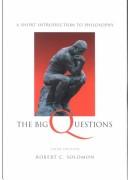
  2. The Big Questions: A Short Introduction to Philosophy
  3. The Life of the Mind, Volume One: Thinking
  4. Classics of philosophy

“These start from a similar idea, even if they go somewhere else with it.”

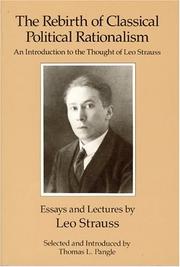
  1. The Rebirth of Classical Political Rationalism: An Introduction to the Thought of Leo Strauss
  2. The Accessible Hegel
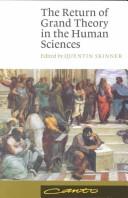
  3. The Return of grand theory in the human sciences
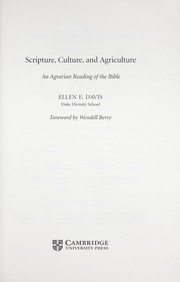
  4. Scripture, Culture, and Agriculture: An Agrarian Reading of the Bible