When Harlem Was in Vogue
Sign in to keep track of books you’ve read and want to read.
The decade and a half that followed World War I was a time of tremendous optimism in Harlem. It was a time when Langston Hughes, Eubie Blake, Marcus Garvey, Zora Neale Hurston, Paul Robeson, and countless others made their indelible mark on the landscape of American culture: African Americans made their first appearances on Broadway; chic supper clubs opened on Harlem streets, their whites-only audiences in search of the ultimate 'primitive' experience; riotous rent parties kept economic realties at the bay while the rich and famous of both races outdid each other with elegant, integrated soirees. David Levering Lewis makes us feel the excitement of the times as he recaptures the intoxicating hope that black Americans could now create important art—and so at last compel the nation to recognize their equality.
Read more
In his new preface, the author reconsiders the Harlem Renaissance in light of criticism surrounding the exploitation of the black community. For, as he point out, 'speculations about molded the Harlem Renaissance and who found it most beneficial, as well as what it symbolized and what it actually achieved, raise questions about race relations, class hegemony, cultural assimilation, generation-gender-lifestyle tensions, and art propaganda.
Liked When Harlem Was in Vogue? Here’s where I’d start.
These suit anyone who liked When Harlem Was in Vogue. Sign in and mark a few books for picks shaped around your own taste.
-
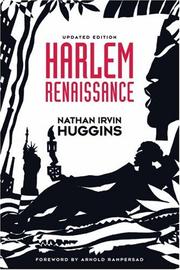 Harlem Renaissance Shares harlem renaissance, history, nonfiction
 -
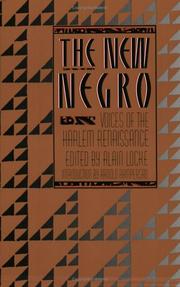 The New Negro Shares harlem renaissance, nonfiction, African American
 -
 Nigger Heaven Shares harlem renaissance, African American
 -
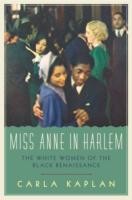 Miss Anne in Harlem: The White Women of the Black Renaissance Shares nonfiction, history, harlem renaissance