Organic Chemistry II as a Second Language
Organic Chemistry as a Second Language seriesbook 2 of 2
Sign in to keep track of books you’ve read and want to read.
Building on the resounding success of the first volume (0-471-27235-3), Organic Chemistry as a Second Language, Volume 2 provides readers with clear, easy-to-understand explanations of fundamental principles. It explores the critical concepts while also examining why they are relevant. The core content is presented within the framework of predicting products, proposing mechanisms, and solving synthesis problems. Readers will fine-tune the key skills involved in solving those types of problems with the help of interactive, step-by-step instructions and problems.
Liked Organic Chemistry II as a Second Language? Here’s where I’d start.
These suit anyone who liked Organic Chemistry II as a Second Language. Sign in and mark a few books for picks shaped around your own taste.
-
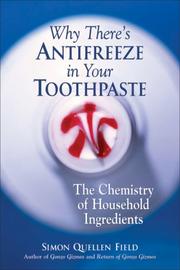 Why There's Antifreeze in Your Toothpaste: The Chemistry of Household Ingredients Shares chemistry, science, nonfiction
-
 Organic Chemistry Shares chemistry, science, nonfiction
-
 Organic Chemistry (Non-Infotrac Version) Shares chemistry, science, nonfiction
-
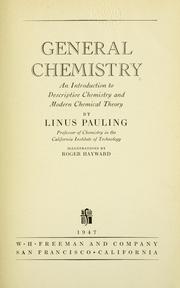 General Chemistry Shares chemistry, science, nonfiction