The Bell Curve: Intelligence and Class Structure in American Life
Sign in to keep track of books you’ve read and want to read.
The controversial book linking intelligence to class and race in modern society, and what public policy can do to mitigate socioeconomic differences in IQ, birth rate, crime, fertility, welfare, and poverty.
Liked The Bell Curve: Intelligence and Class Structure in American Life? Here’s where I’d start.
These suit anyone who liked The Bell Curve: Intelligence and Class Structure in American Life. Sign in and mark a few books for picks shaped around your own taste.
-
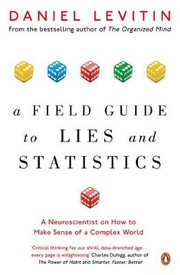 A Field Guide to Lies: Critical Thinking in the Information Age Shares nonfiction, science, psychology
 -
 Denying to the Grave: Why We Ignore the Facts That Will Save Us Shares nonfiction, psychology, science
 -
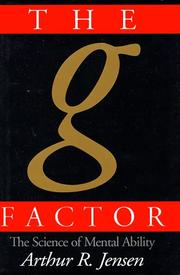 The G Factor: The Science of Mental Ability Shares psychology, science, nonfiction
 -
 The Myth of Choice: Personal Responsibility in a World of Limits Shares nonfiction, psychology, science