What Every Person Should Know About War
Sign in to keep track of books you’ve read and want to read.
Acclaimed New York Times journalist and author Chris Hedges offers a critical — and fascinating — lesson in the dangerous realities of our age: a stark look at the effects of war on combatants. Utterly lacking in rhetoric or dogma, this manual relies instead on bare fact, frank description, and a spare question-and-answer format. Hedges allows U.S. military documentation of the brutalizing physical and psychological consequences of combat to speak for itself.
Read more
Hedges poses dozens of questions that young soldiers might ask about combat, and then answers them by quoting from medical and psychological studies.
* What are my chances of being wounded or killed if we go to war?
* What does it feel like to get shot?
* What do artillery shells do to you?
* What is the most painful way to get wounded?
* Will I be afraid?
* What could happen to me in a nuclear attack?
* What does it feel like to kill someone?
* Can I withstand torture?
* What are the long-term consequences of combat stress?
* What will happen to my body after I die?
This profound and devastating portrayal of the horrors to which we subject our armed forces stands as a ringing indictment of the glorification of war and the concealment of its barbarity.
Liked What Every Person Should Know About War? Here’s where I’d start.
These suit anyone who liked What Every Person Should Know About War. Sign in and mark a few books for picks shaped around your own taste.


“People who read What Every Person Should Know About War tend to reach for these next.”
“If you want more of the same (politics), start with these.”
-
 Corporate Warriors: The Rise of the Privatized Military Industry
-
 The Big Stick: The Limits of Soft Power and the Necessity of Military Force
-
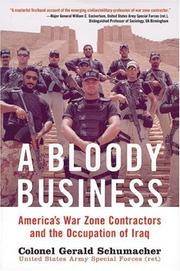 A Bloody Business: America's War Zone Contractors and the Occupation of Iraq
-
 The ISIS Solution: How Unconventional Thinking and Special Operations Can Eliminate Radical Islam