The Weaker Vessel
Medieval Women Boxset series The Warrior Queens(1988) →
Sign in to keep track of books you’ve read and want to read.
Drawing from a wondrously deep well of diaries, letters, and papers from 17th-century England, the gifted historian Antonia Fraser gives the image of the "softer sex" a drubbing, plunging readers into the lives of "heiresses and dairy maids, holy women and prostitutes, criminals and educators, widows and witches, midwives and mothers, heroines, courtesans, prophetesses, businesswomen, ladies of the court, and that new breed, the actress." Prophetess Jane Hawkins, called "a witty crafty baggage" by one angry bishop, got around the ironclad law forbidding women to preach by claiming inspiration from God, while Catholic Mary Ward risked her neck repeatedly to found a string of convents and schools for girls on the European continent. Although several good wives of London beat the Lord Mayor in 1649 for his part in trying to arrest five members of Parliament, it's certainly true that most Englishwomen of the time were hemmed in by the whims and fears of men. Wealthy girls were routinely used as chips to bolster family fortunes through marriage, and any old, poor woman unfortunate enough to have "a furred brow, a hairy lip, a squint eye, a squeaking voice or a scolding tongue" lived under suspicion of witchcraft, wrote one contemporary observer. In Fraser's sure hands and supple prose, memorable and execrable historic moments spring to life. —Francesca Coltrera
Liked The Weaker Vessel? Here’s where I’d start.
These suit anyone who liked The Weaker Vessel. Sign in and mark a few books for picks shaped around your own taste.
-
 A History of the Wife Shares history, nonfiction, feminism
 -
 Women's Rights Emerges Within the Anti-Slavery Movement, 1830-1870: A Short History with Documents Shares history, nonfiction, feminism
 -
 Dr. Johnson's London Shares history, nonfiction, british history
 -
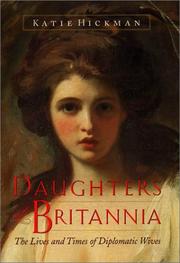 Daughters of Britannia: The Lives and Times of Diplomatic Wives Shares history, nonfiction, british history