Mycelium Running: How Mushrooms Can Help Save the World
Sign in to keep track of books you’ve read and want to read.
Mycelium Runningis a manual for the mycological rescue of the planet. That's right: growing more mushroomsmay be the best thing we can do to save the environment, and in this groundbreaking text from mushroom expert Paul Stamets, you'll find out how.
Read more
The basic science goes like this: Microscopic cells called "mycelium"—the fruit of which are mushrooms—recycle carbon, nitrogen, and other essential elements as they break down plant and animal debris in the creation of rich new soil. What Stamets has discovered is that we can capitalize on mycelium's digestive power and target it to decompose toxic wastes and pollutants (mycoremediation), catch and reduce silt from streambeds and pathogens from agricultural watersheds (mycofiltration), control insect populations (mycopesticides), and generally enhance the health of our forests and gardens (mycoforestry and myco-gardening).
In this comprehensive guide, you'll find chapters detailing each of these four exciting branches of what Stamets has coined "mycorestoration," as well as chapters on the medicinal and nutritional properties of mushrooms, inoculation methods, log and stump culture, and species selection for various environmental purposes. Heavily referenced and beautifully illustrated, this book is destined to be a classic reference for bemushroomed generations to come.
Liked Mycelium Running: How Mushrooms Can Help Save the World? Here’s where I’d start.
These suit anyone who liked Mycelium Running: How Mushrooms Can Help Save the World. Sign in and mark a few books for picks shaped around your own taste.
-
 Mushrooms Demystified Shares mycology, mushrooms, science
 -
 Teaming with Microbes: A Gardener's Guide to the Soil Food Web Shares gardening, permaculture, science
 -
 Edible Forest Gardens, Volume 1: Ecological Vision and Theory for Temperate Climate Permaculture Shares permaculture, gardening, nonfiction
 -
 Dirt: The Ecstatic Skin of the Earth Shares nonfiction, science, gardening
“People who read Mycelium Running: How Mushrooms Can Help Save the World tend to reach for these next.”
-
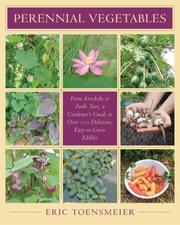 Perennial Vegetables: From Artichokes to Zuiki Taro, a Gardener's Guide to Over 100 Delicious and Easy to Grow Edibles
-
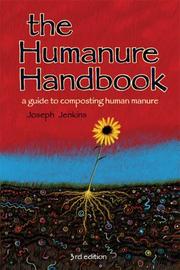 The Humanure Handbook: A Guide to Composting Human Manure
-
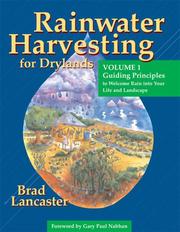 Rainwater Harvesting for Drylands and Beyond (Vol. 1): Guiding Principles to Welcome Rain Into Your Life and Landscape
-
 Sepp Holzer's Permaculture: A Practical Guide to Small-Scale, Integrative Farming and Gardening