The Humiliation of the Word
La petite vermillon series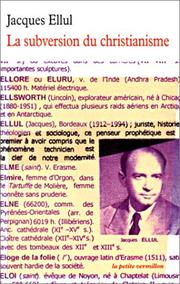 The Subversion of Christianity(1984) →
Sign in to keep track of books you’ve read and want to read.
Argues that visual reality has overcome verbal truth, examines the biblical distinction between truth and reality, and considers the impact of the visual on artists and intellectuals."
Liked The Humiliation of the Word? Here’s where I’d start.
These suit anyone who liked The Humiliation of the Word. Sign in and mark a few books for picks shaped around your own taste.
-
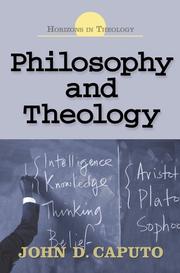 Philosophy and Theology Shares philosophy, theology, religion
 -
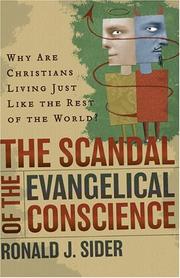 The Scandal of the Evangelical Conscience: Why Are Christians Living Just Like the Rest of the World? Shares theology, religion, nonfiction
 -
 Hoping Against Hope: Confessions of a Postmodern Pilgrim Shares philosophy, theology, nonfiction
 -
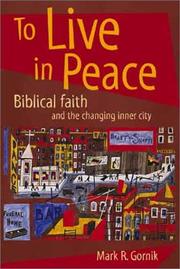 To Live in Peace: Biblical Faith and the Changing Inner City Shares theology, nonfiction