The Pattern on the Stone: The Simple Ideas that Make Computers Work
Sign in to keep track of books you’ve read and want to read.
Most people are baffled by how computers work and assume that they will never understand them. What they don't realize—and what Daniel Hillis's short book brilliantly demonstrates—is that computers' seemingly complex operations can be broken down into a few simple parts that perform the same simple procedures over and over again.
Read more
Computer wizard Hillis offers an easy-to-follow explanation of how data is processed that makes the operations of a computer seem as straightforward as those of a bicycle. Avoiding technobabble or discussions of advanced hardware, the lucid explanations and colorful anecdotes in The Pattern on the Stonego straight to the heart of what computers really do.
Hillis proceeds from an outline of basic logic to clear descriptions of programming languages, algorithms, and memory. He then takes readers in simple steps up to the most exciting developments in computing today—quantum computing, parallel computing, neural networks, and self-organizing systems.
Written clearly and succinctly by one of the world's leading computer scientists, The Pattern on the Stoneis an indispensable guide to understanding the workings of that most ubiquitous and important of machines: the computer.
Liked The Pattern on the Stone: The Simple Ideas that Make Computers Work? Here’s where I’d start.
These suit anyone who liked The Pattern on the Stone: The Simple Ideas that Make Computers Work. Sign in and mark a few books for picks shaped around your own taste.
-
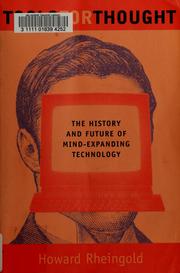 Tools for Thought: The History and Future of Mind-Expanding Technology Shares technology, computers, programming
 -
 Nine Algorithms That Changed the Future: The Ingenious Ideas That Drive Today's Computers Shares computer science, technology, nonfiction
 -
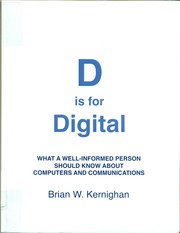 D Is for Digital: What a Well-Informed Person Should Know about Computers and Communications Shares computer science, computers, nonfiction
 -
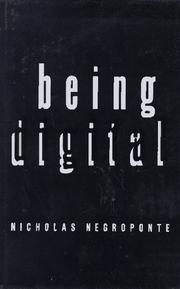 Being Digital Shares technology, computers, nonfiction