Zoroastrians: Their Religious Beliefs and Practices
Sign in to keep track of books you’ve read and want to read.
Zoroastrianism is significant in the history of religions. It can be traced back to a remote, possibly even Indo-European, past. This element links Zoroastrianism with the beliefs of ancient (Vedic) India, and survives as a subordinate part of what is one of the earliest revealed religions. Zoroaster's own teachings have moreover a highly spiritual and ethical content, which makes them a rewarding study in themselves. This book attempts to trace the continuous history of the faith from the time it was preached by Zoroaster down to the present day - a span of about 3500 years. First taught among nomads on the Asian steppes, Zoroastrianism became the state religion of the three great Iranian empires and had a remarkable influence on other world faiths: to the east on northern Buddhism, to the west on Judaism, Christianity and Islam. With the conquest of Iran by the Muslim Arabs, Zoroastrianism lost its secular power but continued to survive as a minority faith. Despite its antiquity, it remains, therefore, a living religion.
Liked Zoroastrians: Their Religious Beliefs and Practices? Here’s where I’d start.
These suit anyone who liked Zoroastrians: Their Religious Beliefs and Practices. Sign in and mark a few books for picks shaped around your own taste.
-
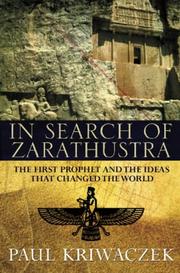 In Search of Zarathustra: Across Iran and Central Asia to Find the World's First Prophet Shares religion, history, zoroastrianism
 -
 The Garden of Truth: The Vision and Promise of Sufism, Islam's Mystical Tradition Shares religion, nonfiction, Middle East
 -
 de-Coding Da Vinci: The Facts Behind the Fiction of the Da Vinci Code Shares religion, nonfiction, history
 -
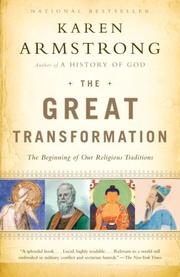 The Great Transformation: The Beginning of Our Religious Traditions Shares religion, nonfiction, history