
Voice Lessons: Classroom Activities to Teach Diction, Detail, Imagery, Syntax, and Tone
Sign in to keep track of books you’ve read and want to read.
Prepare your high school students for AP, IB, and other standardized tests that demand an understanding of the subtle elements that comprise an author's unique voice. Each of the 100 sharply focused, historically and culturally diverse passages from world literature targets a specific component of voice, presenting the elements in short, manageable exercises that function well as class openers. Includes teacher notes and discussion suggestions.
Liked Voice Lessons: Classroom Activities to Teach Diction, Detail, Imagery, Syntax, and Tone? Here’s where I’d start.
These suit anyone who liked Voice Lessons: Classroom Activities to Teach Diction, Detail, Imagery, Syntax, and Tone. Sign in and mark a few books for picks shaped around your own taste.
-
 Fresh Takes on Teaching Literary Elements: How to Teach What Really Matters About Character, Setting, Point of View, and Theme Shares teaching, education, professional development
 -
 Talking, Drawing, Writing: Lessons for Our Youngest Writers Shares teaching, education, professional development
 -
 Best Practices in Writing Instruction, Second Edition Shares teaching, education, professional development
 -
Choice Words Shares teaching, professional, education
“If you want more of the same (education about teachers), start with these.”

“If it was the teaching that hooked you, try one of these.”
- Becoming a Reflective Teacher
- Grading Smarter, Not Harder: Assessment Strategies That Motivate Kids and Help Them Learn
-
 Authentic Learning in the Digital Age: Engaging Students Through Inquiry
-
 The Common Core Companion: The Standards Decoded, Grades 9-12: What They Say, What They Mean, How to Teach Them
“These start from a similar idea, even if they go somewhere else with it.”
-
 100 Quickwrites: Fast and Effective Freewriting Exercises that Build Students' Confidence, Develop Their Fluency, and Bring Out the Writer in Every Student
-
 Literature Circles, second edition: Voice and Choice in Book Clubs Reading Groups
-
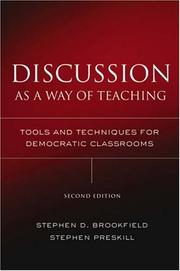 Discussion as a Way of Teaching: Tools and Techniques for Democratic Classrooms
-
 Culturally and Linguistically Responsive Teaching and Learning