Formations of the Secular: Christianity, Islam, Modernity
Sign in to keep track of books you’ve read and want to read.
Opening with the provocative query "what might an anthropology of the secular look like?" this book explores the concepts, practices, and political formations of secularism, with emphasis on the major historical shifts that have shaped secular sensibilities and attitudes in the modern West and the Middle East.
Read more
Talal Asad proceeds to dismantle commonly held assumptions about the secular and the terrain it allegedly covers. He argues that while anthropologists have oriented themselves to the study of the "strangeness of the non-European world" and to what are seen as non-rational dimensions of social life (things like myth, taboo, and religion),the modern and the secular have not been adequately examined.
The conclusion is that the secular cannot be viewed as a successor to religion, or be seen as on the side of the rational. It is a category with a multi-layered history, related to major premises of modernity, democracy, and the concept of human rights. This book will appeal to anthropologists, historians, religious studies scholars, as well as scholars working on modernity.
Liked Formations of the Secular: Christianity, Islam, Modernity? Here’s where I’d start.
These suit anyone who liked Formations of the Secular: Christianity, Islam, Modernity. Sign in and mark a few books for picks shaped around your own taste.


“People who read Formations of the Secular: Christianity, Islam, Modernity tend to reach for these next.”
-
 The Invention of World Religions: Or, How European Universalism Was Preserved in the Language of Pluralism
-
 Islam and Modernity: Transformation of an Intellectual Tradition
-
 Regulating Aversion: Tolerance in the Age of Identity and Empire
-
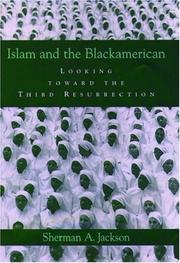 Islam and the Blackamerican: Looking Toward the Third Resurrection