Xunzi: Basic Writings
Sign in to keep track of books you’ve read and want to read.
Xunzi asserted that the original nature of man is evil, differing on this point from Mencius, his famous predecessor in the Confucian school. In the most complete, well-ordered philosophical system of his day, Xunzi advocated the counteraction of man's evil through self-improvement, the pursuit of learning, the avoidance of obsession, and observance of ritual in life. Readers familiar with Xunzi's work will find that Burton Watson's lucid translation breathes new life into this classic. Those new to Xunzi will find his ideas on government, language, and order and safety in society surprisingly close to concerns of our own age.
Liked Xunzi: Basic Writings? Here’s where I’d start.
These suit anyone who liked Xunzi: Basic Writings. Sign in and mark a few books for picks shaped around your own taste.
-
 Four Huts: Asian Writings on the Simple Life Shares eastern philosophy, China, East Asia
-
 Xunzi: The Complete Text Shares chinese philosophy, China, philosophy
-
 Confucius: The Great Digest, The Unwobbling Pivot, The Analects Shares eastern philosophy, China, philosophy
-
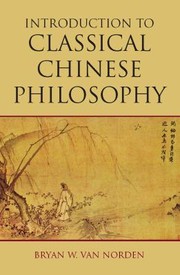 Introduction to Classical Chinese Philosophy Shares chinese philosophy, China, philosophy