The Theatre of the Absurd
Sign in to keep track of books you’ve read and want to read.
In 1953, Samuel Beckett's Waiting for Godotpremiered at a tiny avant-garde theatre in Paris; within five years, it had been translated into more than twenty languages and seen by more than a million spectators. Its startling popularity marked the emergence of a new type of theatre whose proponents—Beckett, Ionesco, Genet, Pinter, and others—shattered dramatic conventions and paid scant attention to psychological realism, while highlighting their characters' inability to understand one another. In 1961, Martin Esslin gave a name to the phenomenon in his groundbreaking study of these playwrights who dramatized the absurdity at the core of the human condition.
Read more
Over four decades after its initial publication, Esslin's landmark book has lost none of its freshness. The questions these dramatists raise about the struggle for meaning in a purposeless world are still as incisive and necessary today as they were when Beckett's tramps first waited beneath a dying tree on a lonely country road for a mysterious benefactor who would never show. Authoritative, engaging, and eminently readable, The Theatre of the Absurdis nothing short of a classic: vital reading for anyone with an interest in the theatre.
Liked The Theatre of the Absurd? Here’s where I’d start.
These suit anyone who liked The Theatre of the Absurd. Sign in and mark a few books for picks shaped around your own taste.
-
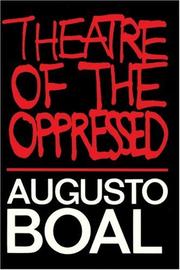 Theatre of the Oppressed Shares théâtre, theatre, theater
 -
 The Empty Space: A Book About the Theatre: Deadly, Holy, Rough, Immediate Shares théâtre, theatre, nonfiction
 -
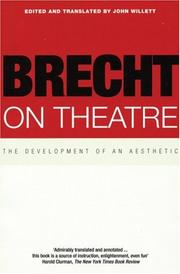 Brecht on Theatre: The Development of an Aesthetic Shares theatre, theater, nonfiction
 -
 Towards a Poor Theatre Shares theatre, théâtre, theater