A New Science of Life: The Hypothesis of Morphic Resonance
Sign in to keep track of books you’ve read and want to read.
Conventional scientific theories cannot explain certain phenomena. For instance, when laboratory rats have learned a new maze, rats elsewhere seem to learn it more easily. Rupert Sheldrake describes this process as morphic resonance, in which the forms and behaviours of the past shape living organisms in the present.
Liked A New Science of Life: The Hypothesis of Morphic Resonance? Here’s where I’d start.
These suit anyone who liked A New Science of Life: The Hypothesis of Morphic Resonance. Sign in and mark a few books for picks shaped around your own taste.

“People who read A New Science of Life: The Hypothesis of Morphic Resonance tend to reach for these next.”
“If you want more of the same (science about philosophy), start with these.”


“If it was the philosophy that hooked you, try one of these.”
-
 Black Holes, Pulsars and Quasars (21st Century Library of the Universe)
-
 The End of Science: Facing the Limits of Knowledge in the Twilight of the Scientific Age
-
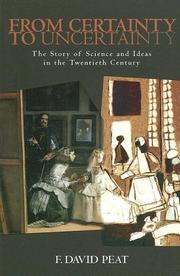 From Certainty to Uncertainty: The Story of Science and Ideas in the Twentieth Century
-
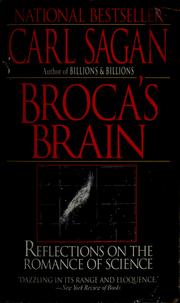 Broca's Brain: Reflections on the Romance of Science