Cover of Comparing Theories of Child Development

Comparing Theories of Child Development

Explaining the nature of theories in the field of child development (including why theories are useful and why there are multiple theories), Thomas' highly respected book covers the widest range of theories of any text currently available. Thomas suggests a variety of ways to compare theories to help guide the search of child development theorists who may be dissatisfied with existing explanations of how a child grows up.

Audience
adult

Click a tag to see books like this one that share it. Point at it (on a phone, tap it) for less of it instead.

Read it? Sign in to help tag it.

Liked Comparing Theories of Child Development? Here’s where I’d start.

These suit anyone who liked Comparing Theories of Child Development. Sign in and mark a few books for picks shaped around your own taste.

  1. Emotional development and emotional intelligence Shares child development
  2. From Neurons to Neighborhoods:: The Science of Early Childhood Development Shares child development
  3. Discipline: The Brazelton Way Shares child development
  4. The Growth of the Mind: And the Endangered Origins of Intelligence Shares child development
“If you want more of the same (psychology about childhood), start with these.”

  1. I'm Not Bad, I'm Just Mad: A Workbook to Help Kids Control Their Anger
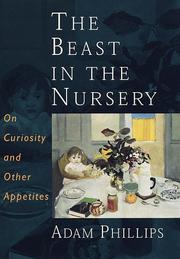
  2. The Beast In The Nursery
  3. Not in Your Genes: The Real Reasons Children Are Like Their Parents
  4. The Psychology of Harry Potter: An Unauthorized Examination Of The Boy Who Lived

“If it was the child development that hooked you, try one of these.”

  1. Who Am I in the Lives of Children? an Introduction to Early Childhood Education
  2. Your Child's Self-Esteem: Step-by-Step Guidelines for Raising Responsible, Productive, Happy Children
  3. Observing development of the young child
  4. From Birth to Five Years: Children's Developmental Progress

“These start from a similar idea, even if they go somewhere else with it.”

  1. The Evolution of Physics: From Early Concepts to Relativity and Quanta
  2. Theories of Development
  3. Theories of Human Communication
  4. Theories of Personality