The Occult Philosophy in the Elizabethan Age
Sign in to keep track of books you’ve read and want to read.
It is hard to overestimate the importance of the contribution made by Dame Frances Yates to the serious study of esotericism and the occult sciences. To her work can be attributed the contemporary understanding of the occult origins of much of Western scientific thinking, indeed of Western civilization itself. The Occult Philosophy of the Elizabethan Agewas her last book, and in it she condensed many aspects of her wide learning to present a clear, penetrating, and, above all, accessible survey of the occult movements of the Renaissance, highlighting the work of John Dee, Giordano Bruno, and other key esoteric figures. The book is invaluable in illuminating the relationship between occultism and Renaissance thought, which in turn had a profound impact on the rise of science in the seventeenth century. Stunningly written and highly engaging, Yates' masterpiece is a must-read for anyone interested in the occult tradition.
Liked The Occult Philosophy in the Elizabethan Age? Here’s where I’d start.
These suit anyone who liked The Occult Philosophy in the Elizabethan Age. Sign in and mark a few books for picks shaped around your own taste.
-
 Eros and Magic in the Renaissance Shares history, philosophy, nonfiction
 -
 The Secret Teachers of the Western World Shares occult, philosophy, history
 -
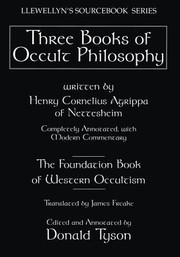 Three Books of Occult Philosophy Shares philosophy, occult, nonfiction
 -
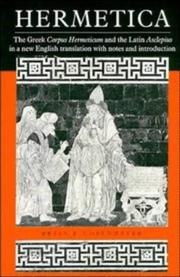 Hermetica: The Greek Corpus Hermeticum and the Latin Asclepius in a New English Translation, with Notes and Introduction Shares philosophy, esoterica, occult